Buy delicatessen.eu ?
We are moving the project
delicatessen.eu .
Are you interested in purchasing the domain
delicatessen.eu ?
domain@kv-gmbh.de · 0541-91531010
Buy delicatessen.eu ?
To whom or to whom?
The phrase "to whom or to whom" is grammatically incorrect as it repeats the same pronoun. The correct phrase should be "to whom or to what" if referring to a person or thing. The use of "whom" is appropriate when referring to the object of a verb or preposition in formal English. **
'With whom or at whom?'
The phrase "with whom" is used when referring to a person or people you are interacting or collaborating with. For example, "I am meeting with whom I will be working on the project." On the other hand, the phrase "at whom" is used when referring to a person or people you are directing your actions, words, or emotions towards. For example, "She was shouting angrily at whom she believed had wronged her." **

Similar search terms for Whom
Top-Angebote
Products related to Whom:
-
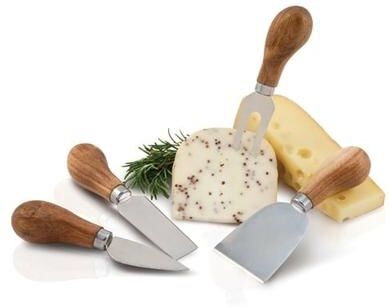
Twine Rustic Farmhouse: Gourmet Cheese KnivesThe Rustic Farmhouse Gourmet Cheese Set is a beautiful collection of four assorted cheese tools. With stainless steel blades and rustic elegant acacia wood handles, this handsome set is perfect for entertaining, gift-giving and picnics!23,19 $*Shipping: 0,00 $Secure redirect to the provider
-
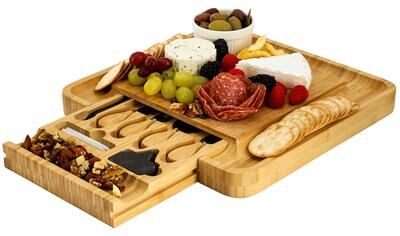
Gourmet Basics by Mikasa Mikasa Gourmet Basics Wine and Charcuterie Serving BoardHost in style with this Gourmet Basics Wine and Charcuterie Serving Board. Beautifully crafted of durable acacia wood, this stunning board is an easy way to serve wine, appetizers, cheese, and more.59,99 $*Shipping: 0,00 $Secure redirect to the provider


-
Why are antipasti called antipasti?
The term "antipasti" comes from Italian, where "anti" means "before" and "pasti" means "meals" or "courses." Therefore, "antipasti" literally translates to "before the meal" or "before the courses." This name reflects the traditional Italian practice of serving small, flavorful dishes before the main meal to stimulate the appetite and prepare the palate for the upcoming courses. Antipasti typically include a variety of cured meats, cheeses, olives, and marinated vegetables. **
-
Who misses whom and who forgets whom?
In the poem "Remember" by Christina Rossetti, the speaker is asking her loved one to remember her after she has passed away. The speaker is the one who misses her loved one, as she will no longer be able to be with them. The speaker is also the one who fears being forgotten, as she asks her loved one to remember her even when they are no longer together. **
-
'Against whom?'
The question "Against whom?" is typically used to inquire about the target or opponent in a conflict, competition, or debate. It seeks to identify the specific individual, group, or entity that is being challenged or opposed in a given situation. By asking "Against whom?" one is seeking clarity on who is the focus of the opposition or resistance. **
-
'With whom?'
You can choose to spend time with friends, family, colleagues, or even yourself. It ultimately depends on your preferences and the type of activity you are planning. Spending time with loved ones can strengthen relationships and create lasting memories, while spending time alone can provide opportunities for self-reflection and personal growth. **


What or whom?
"What or whom?" is a question that seeks to identify the specific object or person being referred to in a conversation or situation. It is used to clarify and specify the subject of discussion, helping to ensure clear communication and understanding between individuals. By asking "What or whom?" one can pinpoint the exact entity being discussed and provide a more precise response or explanation. **
'When and whom?'
The phrase "When and whom?" is typically used to inquire about the timing and the specific person involved in a particular situation or event. For example, if someone says they have plans for the weekend, you might ask "When and with whom?" to find out the specific time and the person they will be with. This phrase is a concise way to gather specific details about an upcoming event or activity. **
Top-Angebote
Products related to Whom:
-
Twine Rustic Farmhouse: Gourmet Cheese KnivesThe Rustic Farmhouse Gourmet Cheese Set is a beautiful collection of four assorted cheese tools. With stainless steel blades and rustic elegant acacia wood handles, this handsome set is perfect for entertaining, gift-giving and picnics!23,19 $*Shipping: 0,00 $Secure redirect to the provider
-
Gourmet Basics by Mikasa Mikasa Gourmet Basics Wine and Charcuterie Serving BoardHost in style with this Gourmet Basics Wine and Charcuterie Serving Board. Beautifully crafted of durable acacia wood, this stunning board is an easy way to serve wine, appetizers, cheese, and more.59,99 $*Shipping: 0,00 $Secure redirect to the provider
-
To whom or to whom?
The phrase "to whom or to whom" is grammatically incorrect as it repeats the same pronoun. The correct phrase should be "to whom or to what" if referring to a person or thing. The use of "whom" is appropriate when referring to the object of a verb or preposition in formal English. **
-
'With whom or at whom?'
The phrase "with whom" is used when referring to a person or people you are interacting or collaborating with. For example, "I am meeting with whom I will be working on the project." On the other hand, the phrase "at whom" is used when referring to a person or people you are directing your actions, words, or emotions towards. For example, "She was shouting angrily at whom she believed had wronged her." **
-
Why are antipasti called antipasti?
The term "antipasti" comes from Italian, where "anti" means "before" and "pasti" means "meals" or "courses." Therefore, "antipasti" literally translates to "before the meal" or "before the courses." This name reflects the traditional Italian practice of serving small, flavorful dishes before the main meal to stimulate the appetite and prepare the palate for the upcoming courses. Antipasti typically include a variety of cured meats, cheeses, olives, and marinated vegetables. **
-
Who misses whom and who forgets whom?
In the poem "Remember" by Christina Rossetti, the speaker is asking her loved one to remember her after she has passed away. The speaker is the one who misses her loved one, as she will no longer be able to be with them. The speaker is also the one who fears being forgotten, as she asks her loved one to remember her even when they are no longer together. **
Similar search terms for Whom
-
'Against whom?'
The question "Against whom?" is typically used to inquire about the target or opponent in a conflict, competition, or debate. It seeks to identify the specific individual, group, or entity that is being challenged or opposed in a given situation. By asking "Against whom?" one is seeking clarity on who is the focus of the opposition or resistance. **
-
'With whom?'
You can choose to spend time with friends, family, colleagues, or even yourself. It ultimately depends on your preferences and the type of activity you are planning. Spending time with loved ones can strengthen relationships and create lasting memories, while spending time alone can provide opportunities for self-reflection and personal growth. **
-
What or whom?
"What or whom?" is a question that seeks to identify the specific object or person being referred to in a conversation or situation. It is used to clarify and specify the subject of discussion, helping to ensure clear communication and understanding between individuals. By asking "What or whom?" one can pinpoint the exact entity being discussed and provide a more precise response or explanation. **
-
'When and whom?'
The phrase "When and whom?" is typically used to inquire about the timing and the specific person involved in a particular situation or event. For example, if someone says they have plans for the weekend, you might ask "When and with whom?" to find out the specific time and the person they will be with. This phrase is a concise way to gather specific details about an upcoming event or activity. **
* All prices are inclusive of VAT and, if applicable, plus shipping costs. The offer information is based on the details provided by the respective shop and is updated through automated processes. Real-time updates do not occur, so deviations can occur in individual cases. ** Note: Parts of this content were created by AI.