Buy delicatessen.eu ?
We are moving the project
delicatessen.eu .
Are you interested in purchasing the domain
delicatessen.eu ?
domain@kv-gmbh.de · 0541-91531010
Buy delicatessen.eu ?
What is the opposite of personification, so objectification?
The opposite of personification is dehumanization. While personification involves giving human characteristics to non-human things, dehumanization involves treating people as if they are objects or animals, stripping them of their humanity. Objectification, on the other hand, involves treating someone as an object for one's own use or pleasure, often reducing them to their physical appearance or sexual appeal. Both dehumanization and objectification involve diminishing the value and agency of individuals, but in different ways. **
How can one grammatically correctly represent the terms sexualization and objectification?
One can grammatically correctly represent the terms sexualization and objectification by using them as nouns in a sentence. For example, "The constant sexualization of women in the media perpetuates harmful stereotypes." or "The objectification of individuals based on their physical appearance is a form of dehumanization." It is important to ensure that these terms are used in context and with clarity to convey their intended meaning accurately. **

Similar search terms for Objectification
Top-Angebote
Products related to Objectification:
-
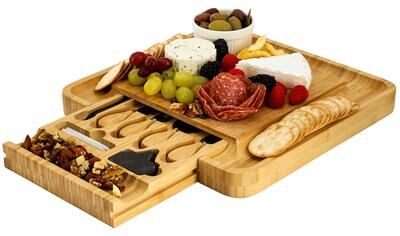
Gourmet Basics by Mikasa Mikasa Gourmet Basics Wine and Charcuterie Serving BoardHost in style with this Gourmet Basics Wine and Charcuterie Serving Board. Beautifully crafted of durable acacia wood, this stunning board is an easy way to serve wine, appetizers, cheese, and more.46,79 $*Shipping: 0,00 $Secure redirect to the provider



-
How can one accurately represent the terms sexualization and objectification grammatically?
To accurately represent the terms sexualization and objectification grammatically, one should use them as nouns in a sentence. For example, "The sexualization of women in media perpetuates harmful stereotypes" or "The objectification of individuals based on their appearance is a form of discrimination." It is important to use these terms in a way that highlights their negative impact on individuals and society. **
-
Is assigning a name to an object also an objectification of it?
Assigning a name to an object can be seen as a form of objectification because it reduces the complexity and individuality of the object to a single label. By giving an object a name, we may overlook its unique characteristics and treat it as a mere thing with a designated function. However, naming can also be a way to establish a connection or relationship with the object, acknowledging its presence and importance in our lives. Ultimately, whether naming an object is considered objectification depends on the context and intention behind the act. **
-
Why are antipasti called antipasti?
The term "antipasti" comes from Italian, where "anti" means "before" and "pasti" means "meals" or "courses." Therefore, "antipasti" literally translates to "before the meal" or "before the courses." This name reflects the traditional Italian practice of serving small, flavorful dishes before the main meal to stimulate the appetite and prepare the palate for the upcoming courses. Antipasti typically include a variety of cured meats, cheeses, olives, and marinated vegetables. **
-
Is the designation of an object with an attributed name also an objectification of the same?
Designating an object with an attributed name does not necessarily equate to objectification. Objectification occurs when a person or group is treated as an object, without regard for their individuality or humanity. However, assigning a name to an object can be a way of acknowledging its existence and distinguishing it from other objects, without necessarily dehumanizing or devaluing it. It is important to consider the context and intent behind the attribution of a name to an object in order to determine whether it constitutes objectification. **


How is antipasti stored?
Antipasti is typically stored in the refrigerator to keep it fresh. It should be kept in a sealed container or covered with plastic wrap to prevent it from drying out or absorbing other odors from the fridge. Some antipasti, such as marinated vegetables or cured meats, can also be stored in airtight jars or vacuum-sealed bags to maintain their flavor and texture. It's important to follow any specific storage instructions provided for the particular type of antipasti you have. **
Can you eat antipasti while breastfeeding?
Yes, you can eat antipasti while breastfeeding. Antipasti typically consists of various types of cured meats, cheeses, olives, and vegetables, which are all safe to consume while breastfeeding. However, it's important to be mindful of any potential food allergies or sensitivities that your baby may have. If you notice any adverse reactions in your baby after consuming antipasti, it's best to consult with a healthcare professional. **
Top-Angebote
Products related to Objectification:
-
Twine Rustic Farmhouse: Gourmet Cheese KnivesThe Rustic Farmhouse Gourmet Cheese Set is a beautiful collection of four assorted cheese tools. With stainless steel blades and rustic elegant acacia wood handles, this handsome set is perfect for entertaining, gift-giving and picnics!23,19 $*Shipping: 0,00 $Secure redirect to the provider
-
Gourmet Basics by Mikasa Mikasa Gourmet Basics Wine and Charcuterie Serving BoardHost in style with this Gourmet Basics Wine and Charcuterie Serving Board. Beautifully crafted of durable acacia wood, this stunning board is an easy way to serve wine, appetizers, cheese, and more.46,79 $*Shipping: 0,00 $Secure redirect to the provider
-
What is the opposite of personification, so objectification?
The opposite of personification is dehumanization. While personification involves giving human characteristics to non-human things, dehumanization involves treating people as if they are objects or animals, stripping them of their humanity. Objectification, on the other hand, involves treating someone as an object for one's own use or pleasure, often reducing them to their physical appearance or sexual appeal. Both dehumanization and objectification involve diminishing the value and agency of individuals, but in different ways. **
-
How can one grammatically correctly represent the terms sexualization and objectification?
One can grammatically correctly represent the terms sexualization and objectification by using them as nouns in a sentence. For example, "The constant sexualization of women in the media perpetuates harmful stereotypes." or "The objectification of individuals based on their physical appearance is a form of dehumanization." It is important to ensure that these terms are used in context and with clarity to convey their intended meaning accurately. **
-
How can one accurately represent the terms sexualization and objectification grammatically?
To accurately represent the terms sexualization and objectification grammatically, one should use them as nouns in a sentence. For example, "The sexualization of women in media perpetuates harmful stereotypes" or "The objectification of individuals based on their appearance is a form of discrimination." It is important to use these terms in a way that highlights their negative impact on individuals and society. **
-
Is assigning a name to an object also an objectification of it?
Assigning a name to an object can be seen as a form of objectification because it reduces the complexity and individuality of the object to a single label. By giving an object a name, we may overlook its unique characteristics and treat it as a mere thing with a designated function. However, naming can also be a way to establish a connection or relationship with the object, acknowledging its presence and importance in our lives. Ultimately, whether naming an object is considered objectification depends on the context and intention behind the act. **
Similar search terms for Objectification
-
Why are antipasti called antipasti?
The term "antipasti" comes from Italian, where "anti" means "before" and "pasti" means "meals" or "courses." Therefore, "antipasti" literally translates to "before the meal" or "before the courses." This name reflects the traditional Italian practice of serving small, flavorful dishes before the main meal to stimulate the appetite and prepare the palate for the upcoming courses. Antipasti typically include a variety of cured meats, cheeses, olives, and marinated vegetables. **
-
Is the designation of an object with an attributed name also an objectification of the same?
Designating an object with an attributed name does not necessarily equate to objectification. Objectification occurs when a person or group is treated as an object, without regard for their individuality or humanity. However, assigning a name to an object can be a way of acknowledging its existence and distinguishing it from other objects, without necessarily dehumanizing or devaluing it. It is important to consider the context and intent behind the attribution of a name to an object in order to determine whether it constitutes objectification. **
-
How is antipasti stored?
Antipasti is typically stored in the refrigerator to keep it fresh. It should be kept in a sealed container or covered with plastic wrap to prevent it from drying out or absorbing other odors from the fridge. Some antipasti, such as marinated vegetables or cured meats, can also be stored in airtight jars or vacuum-sealed bags to maintain their flavor and texture. It's important to follow any specific storage instructions provided for the particular type of antipasti you have. **
-
Can you eat antipasti while breastfeeding?
Yes, you can eat antipasti while breastfeeding. Antipasti typically consists of various types of cured meats, cheeses, olives, and vegetables, which are all safe to consume while breastfeeding. However, it's important to be mindful of any potential food allergies or sensitivities that your baby may have. If you notice any adverse reactions in your baby after consuming antipasti, it's best to consult with a healthcare professional. **
* All prices are inclusive of VAT and, if applicable, plus shipping costs. The offer information is based on the details provided by the respective shop and is updated through automated processes. Real-time updates do not occur, so deviations can occur in individual cases. ** Note: Parts of this content were created by AI.