Buy delicatessen.eu ?
We are moving the project
delicatessen.eu .
Are you interested in purchasing the domain
delicatessen.eu ?
domain@kv-gmbh.de · 0541-91531010
Buy delicatessen.eu ?
Why is my Monstera (Swiss cheese plant) getting yellow leaves?
Yellow leaves on a Monstera plant can be a sign of overwatering, underwatering, or nutrient deficiencies. Overwatering can lead to root rot, causing the leaves to turn yellow and eventually brown. Underwatering can also cause yellowing as the plant struggles to retain moisture. Additionally, a lack of essential nutrients such as nitrogen, iron, or magnesium can result in yellow leaves. It's important to assess the watering schedule and ensure the plant is receiving adequate light and nutrients to address the issue. **
Are walking leaves allowed to eat raspberry leaves?
Walking leaves, also known as leaf insects, are herbivorous and primarily feed on the leaves of certain plants. Raspberry leaves are safe for them to eat and can be a part of their diet. However, it's important to ensure that the raspberry leaves are free from any pesticides or chemicals that could be harmful to the walking leaves. Additionally, it's always a good idea to provide a varied diet for walking leaves to ensure they receive all the necessary nutrients. **

Similar search terms for Leaves
Top-Angebote
Products related to Leaves:
-
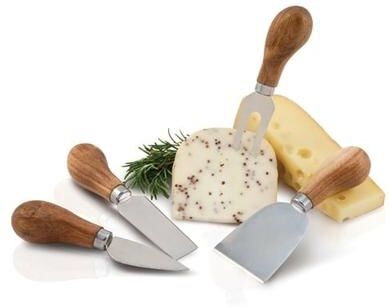
Twine Rustic Farmhouse: Gourmet Cheese KnivesThe Rustic Farmhouse Gourmet Cheese Set is a beautiful collection of four assorted cheese tools. With stainless steel blades and rustic elegant acacia wood handles, this handsome set is perfect for entertaining, gift-giving and picnics!23,09 $*Shipping: 0,00 $Secure redirect to the provider
-
Zodax Rezi Polished Marble Cheese & Charcuterie BoardA solid slab of white marble with its smooth, substantial design features a round shape accentuated by natural, unique marble veining, the Rezi Cheese Board is minimalist in their design, but serves as a diverse kitchen tool.157,50 $*Shipping: 0,00 $Secure redirect to the provider


-
Why are antipasti called antipasti?
The term "antipasti" comes from Italian, where "anti" means "before" and "pasti" means "meals" or "courses." Therefore, "antipasti" literally translates to "before the meal" or "before the courses." This name reflects the traditional Italian practice of serving small, flavorful dishes before the main meal to stimulate the appetite and prepare the palate for the upcoming courses. Antipasti typically include a variety of cured meats, cheeses, olives, and marinated vegetables. **
-
Do sun leaves or shade leaves have more chlorophyll?
Sun leaves have more chlorophyll compared to shade leaves. This is because sun leaves are exposed to higher light intensity and need more chlorophyll to capture and convert light energy into chemical energy through photosynthesis. Shade leaves, on the other hand, receive less light and therefore have less chlorophyll to optimize their photosynthetic efficiency in low light conditions. **
-
Can tomato leaves and basil leaves touch each other?
Yes, tomato leaves and basil leaves can touch each other without any negative effects. In fact, planting tomatoes and basil together is a common practice in companion gardening as they are believed to benefit each other by repelling pests and enhancing each other's growth. Both plants have different growth habits and do not compete for space or resources, making them suitable companions in the garden. **
-
What are sun leaves and shade leaves in biology?
In biology, sun leaves and shade leaves refer to the different types of leaves that plants develop in response to varying light conditions. Sun leaves are typically smaller, thicker, and have a higher density of chlorophyll, which allows them to efficiently capture and utilize the intense sunlight in open, sunny environments. On the other hand, shade leaves are larger, thinner, and have a lower density of chlorophyll, which helps them maximize light capture in low-light, shaded areas. This adaptation allows plants to optimize their photosynthetic efficiency in different light environments. **


Are leaves digestible?
Leaves are generally not easily digestible for humans due to their high fiber content and tough cell walls. However, some animals like cows, goats, and insects have specialized digestive systems that allow them to break down and extract nutrients from leaves. In some cultures, certain types of leaves are cooked or processed in specific ways to make them more digestible for human consumption. Overall, the digestibility of leaves varies depending on the species and the digestive capabilities of the organism consuming them. **
Why are sun leaves thicker and smaller than shade leaves?
Sun leaves are thicker and smaller than shade leaves because they need to withstand higher levels of sunlight and heat. The thicker cuticle and higher density of cells in sun leaves help to reduce water loss and protect the leaf from damage caused by intense sunlight. Additionally, the smaller size of sun leaves helps to minimize the surface area exposed to the sun, reducing the risk of overheating and dehydration. In contrast, shade leaves are thinner and larger to maximize their ability to capture available light in low-light conditions. **
Top-Angebote
Products related to Leaves:
-
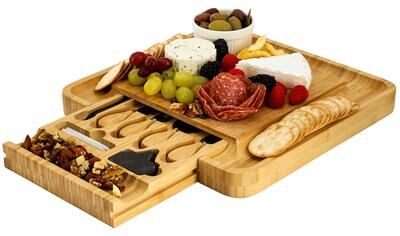
Gourmet Basics by Mikasa Mikasa Gourmet Basics Wine and Charcuterie Serving BoardHost in style with this Gourmet Basics Wine and Charcuterie Serving Board. Beautifully crafted of durable acacia wood, this stunning board is an easy way to serve wine, appetizers, cheese, and more.46,79 $*Shipping: 0,00 $Secure redirect to the provider
-
Twine Rustic Farmhouse: Gourmet Cheese KnivesThe Rustic Farmhouse Gourmet Cheese Set is a beautiful collection of four assorted cheese tools. With stainless steel blades and rustic elegant acacia wood handles, this handsome set is perfect for entertaining, gift-giving and picnics!23,09 $*Shipping: 0,00 $Secure redirect to the provider
-
Why is my Monstera (Swiss cheese plant) getting yellow leaves?
Yellow leaves on a Monstera plant can be a sign of overwatering, underwatering, or nutrient deficiencies. Overwatering can lead to root rot, causing the leaves to turn yellow and eventually brown. Underwatering can also cause yellowing as the plant struggles to retain moisture. Additionally, a lack of essential nutrients such as nitrogen, iron, or magnesium can result in yellow leaves. It's important to assess the watering schedule and ensure the plant is receiving adequate light and nutrients to address the issue. **
-
Are walking leaves allowed to eat raspberry leaves?
Walking leaves, also known as leaf insects, are herbivorous and primarily feed on the leaves of certain plants. Raspberry leaves are safe for them to eat and can be a part of their diet. However, it's important to ensure that the raspberry leaves are free from any pesticides or chemicals that could be harmful to the walking leaves. Additionally, it's always a good idea to provide a varied diet for walking leaves to ensure they receive all the necessary nutrients. **
-
Why are antipasti called antipasti?
The term "antipasti" comes from Italian, where "anti" means "before" and "pasti" means "meals" or "courses." Therefore, "antipasti" literally translates to "before the meal" or "before the courses." This name reflects the traditional Italian practice of serving small, flavorful dishes before the main meal to stimulate the appetite and prepare the palate for the upcoming courses. Antipasti typically include a variety of cured meats, cheeses, olives, and marinated vegetables. **
-
Do sun leaves or shade leaves have more chlorophyll?
Sun leaves have more chlorophyll compared to shade leaves. This is because sun leaves are exposed to higher light intensity and need more chlorophyll to capture and convert light energy into chemical energy through photosynthesis. Shade leaves, on the other hand, receive less light and therefore have less chlorophyll to optimize their photosynthetic efficiency in low light conditions. **
Similar search terms for Leaves
-
Zodax Rezi Polished Marble Cheese & Charcuterie BoardA solid slab of white marble with its smooth, substantial design features a round shape accentuated by natural, unique marble veining, the Rezi Cheese Board is minimalist in their design, but serves as a diverse kitchen tool.157,50 $*Shipping: 0,00 $Secure redirect to the provider
-
Zodax Sargasso Marble Cheese and Charcuterie BoardPolished white marble makes a bright and elegant base for presenting appetizers at the buffet table or home bar. The simple design of this rectangular cheese board highlights the beauty of the durable stone.297,50 $*Shipping: 0,00 $Secure redirect to the provider
-
Can tomato leaves and basil leaves touch each other?
Yes, tomato leaves and basil leaves can touch each other without any negative effects. In fact, planting tomatoes and basil together is a common practice in companion gardening as they are believed to benefit each other by repelling pests and enhancing each other's growth. Both plants have different growth habits and do not compete for space or resources, making them suitable companions in the garden. **
-
What are sun leaves and shade leaves in biology?
In biology, sun leaves and shade leaves refer to the different types of leaves that plants develop in response to varying light conditions. Sun leaves are typically smaller, thicker, and have a higher density of chlorophyll, which allows them to efficiently capture and utilize the intense sunlight in open, sunny environments. On the other hand, shade leaves are larger, thinner, and have a lower density of chlorophyll, which helps them maximize light capture in low-light, shaded areas. This adaptation allows plants to optimize their photosynthetic efficiency in different light environments. **
-
Are leaves digestible?
Leaves are generally not easily digestible for humans due to their high fiber content and tough cell walls. However, some animals like cows, goats, and insects have specialized digestive systems that allow them to break down and extract nutrients from leaves. In some cultures, certain types of leaves are cooked or processed in specific ways to make them more digestible for human consumption. Overall, the digestibility of leaves varies depending on the species and the digestive capabilities of the organism consuming them. **
-
Why are sun leaves thicker and smaller than shade leaves?
Sun leaves are thicker and smaller than shade leaves because they need to withstand higher levels of sunlight and heat. The thicker cuticle and higher density of cells in sun leaves help to reduce water loss and protect the leaf from damage caused by intense sunlight. Additionally, the smaller size of sun leaves helps to minimize the surface area exposed to the sun, reducing the risk of overheating and dehydration. In contrast, shade leaves are thinner and larger to maximize their ability to capture available light in low-light conditions. **
* All prices are inclusive of VAT and, if applicable, plus shipping costs. The offer information is based on the details provided by the respective shop and is updated through automated processes. Real-time updates do not occur, so deviations can occur in individual cases. ** Note: Parts of this content were created by AI.