Buy delicatessen.eu ?
We are moving the project
delicatessen.eu .
Are you interested in purchasing the domain
delicatessen.eu ?
domain@kv-gmbh.de · 0541-91531010
Buy delicatessen.eu ?
What types of oven cheese are there?
There are several types of oven cheese, including mozzarella, cheddar, provolone, and Gruyère. These cheeses are commonly used in dishes like pizza, lasagna, grilled cheese sandwiches, and casseroles. Each type of cheese has its own unique flavor profile and melting properties when heated in the oven, making them versatile ingredients for a variety of dishes. **
How are the different types of cheese created?
Different types of cheese are created through a process that involves curdling milk, separating the curds from the whey, and then aging the curds to develop flavor and texture. The type of cheese produced depends on factors such as the type of milk used, the addition of specific bacteria or enzymes, the method of curdling, and the length of aging. Each type of cheese has its own unique characteristics and flavor profile based on these variables. **
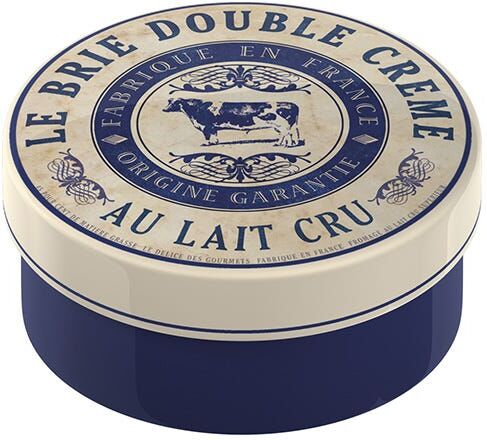

Similar search terms for Types
Top-Angebote
Products related to Types:
-
Youth Lab Micellar Water All Skin Types 400mLA micellar water for sensitive skin. Fresh cleansing water all skin types. A gentle formula adapted even to the most sensitive skins for facial and eye cleansing. An exceptional formulation, dermatologically tested and compatible with contact lenses wearers:. Moisturizing: The skin remains clean and visibly moisturized thanks to hyaluronic acid.11,99 £*Shipping: 10,02 £Secure redirect to the provider
-
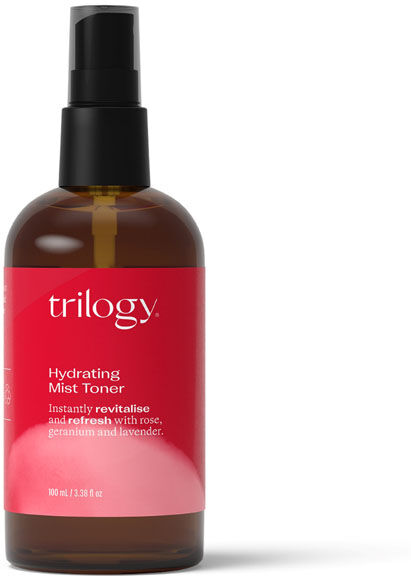
Trilogy Hydrating Mist Toner - All Skin Types 100mlTrilogy Hydrating Mist Toner is importantly alcohol-free for the instant hydration and a refreshing boost to the skin. Extracts of Rose Petal, Lavender and Geranium invigorate, hydrate and tone the skin. Ingredients Aqua (water), Aloe Barbadensis (aloe vera) Leaf Juice, Pelargonium graveolens (Geranium) Oil, Rose Flower Oil, Lavandula Angustifolia (Lavender) Oil, Caprylyl/capryl wheat bran/straw glycosides(and)aqua(and)fusel wheat bran/straw glycosides(and) polyglyceryl-5 oleate(and) sodium glutamate(and) glyceryl caprylate, Dehydroacetic Acid (and) Benzyl Alcohol, Geraniol*, Citronellol*, Linalool*, *Components of natural essential oils. • Vegan • Artificial fragrance free • Artificial colour free • Alcohol free* • Gluten free** • Soy free*** • Dairy free*** *Alcohol free: Refers to free from ethanol (ethyl alcohol) **Gluten free: Some Trilogy products contain cetearyl wheat straw glycosides and/or wheat germ oil which may contain traces of gluten ***Soy free / dairy free: Includes free from soy / dairy derived ingredients Trilogy are updating their brand logo and packaging, please be aware packaging is subject to change.21,00 £*Shipping: 2,95 £Secure redirect to the provider
-
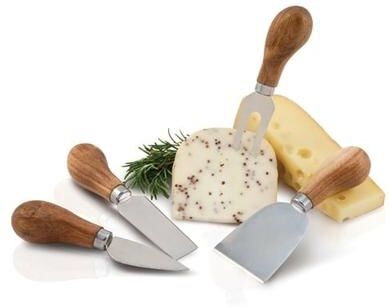
Twine Rustic Farmhouse: Gourmet Cheese KnivesThe Rustic Farmhouse Gourmet Cheese Set is a beautiful collection of four assorted cheese tools. With stainless steel blades and rustic elegant acacia wood handles, this handsome set is perfect for entertaining, gift-giving and picnics!23,19 $*Shipping: 0,00 $Secure redirect to the provider


-
Which types of cheese are similar to Comté?
Gruyère and Emmental are two types of cheese that are similar to Comté. They are all Swiss cheeses with a similar texture and flavor profile. Gruyère is slightly nuttier and creamier, while Emmental has a more mild and buttery flavor. All three cheeses are great for melting and are often used in cooking and baking. **
-
Why do some types of cheese smell so pungent?
Some types of cheese smell pungent because of the bacteria and molds used in the cheese-making process. These microorganisms produce enzymes that break down proteins and fats in the cheese, releasing volatile compounds that contribute to the strong smell. Additionally, the aging process of certain cheeses allows for the development of complex flavors and aromas, which can result in a pungent smell. Finally, the type of milk used, the specific cheese-making techniques, and the environment in which the cheese is aged can all contribute to the pungent smell of certain cheeses. **
-
Where are the differences between all the types of cheese?
The differences between types of cheese primarily lie in their ingredients, production methods, aging processes, and flavor profiles. For example, soft cheeses like brie and camembert are made with a higher moisture content and have a creamy texture, while hard cheeses like cheddar and parmesan are aged for longer periods and have a firmer texture. Additionally, the type of milk used (cow, goat, sheep) can also impact the taste and texture of the cheese. Each type of cheese has its own unique characteristics that make it distinct from others. **
-
Why are antipasti called antipasti?
The term "antipasti" comes from Italian, where "anti" means "before" and "pasti" means "meals" or "courses." Therefore, "antipasti" literally translates to "before the meal" or "before the courses." This name reflects the traditional Italian practice of serving small, flavorful dishes before the main meal to stimulate the appetite and prepare the palate for the upcoming courses. Antipasti typically include a variety of cured meats, cheeses, olives, and marinated vegetables. **


Where are the differences between all the different types of cheese?
The differences between different types of cheese lie in their ingredients, production methods, aging processes, and flavor profiles. For example, soft cheeses like brie and camembert are made with a higher moisture content and have a creamy texture, while hard cheeses like cheddar and parmesan are aged for longer periods and have a firmer texture. Additionally, the type of milk used (cow, goat, sheep) can also impact the taste and texture of the cheese. Overall, the variations in these factors contribute to the wide range of flavors and textures found in different types of cheese. **
Can you use other types of blue cheese instead of Gorgonzola?
Yes, you can use other types of blue cheese instead of Gorgonzola in recipes. Some popular alternatives include Roquefort, Stilton, and Danish blue cheese. These cheeses have a similar creamy texture and sharp, tangy flavor that can work well as substitutes for Gorgonzola in dishes like salads, pasta, and dips. However, keep in mind that each type of blue cheese has its own unique flavor profile, so the taste of the dish may vary slightly depending on the substitution. **
Top-Angebote
Products related to Types:
-
Gamarde Gentle Shampoo for All Hair Types 200gA shampoo. Cleanse and refresh hair daily with Gentle Shampoo — sulfate-free care that softens, purifies, and protects the scalp naturally. Gently cleanses without sulfates. Maintains scalp balance and hair softness. Ideal for daily use and all hair types. Vegan and 100% natural formulation. Lavender floral water and blackcurrant extract: soothing and calming.9,50 £*Shipping: 7,11 £Secure redirect to the provider
-
Youth Lab Micellar Water All Skin Types 400mLA micellar water for sensitive skin. Fresh cleansing water all skin types. A gentle formula adapted even to the most sensitive skins for facial and eye cleansing. An exceptional formulation, dermatologically tested and compatible with contact lenses wearers:. Moisturizing: The skin remains clean and visibly moisturized thanks to hyaluronic acid.11,99 £*Shipping: 10,02 £Secure redirect to the provider
-
What types of oven cheese are there?
There are several types of oven cheese, including mozzarella, cheddar, provolone, and Gruyère. These cheeses are commonly used in dishes like pizza, lasagna, grilled cheese sandwiches, and casseroles. Each type of cheese has its own unique flavor profile and melting properties when heated in the oven, making them versatile ingredients for a variety of dishes. **
-
How are the different types of cheese created?
Different types of cheese are created through a process that involves curdling milk, separating the curds from the whey, and then aging the curds to develop flavor and texture. The type of cheese produced depends on factors such as the type of milk used, the addition of specific bacteria or enzymes, the method of curdling, and the length of aging. Each type of cheese has its own unique characteristics and flavor profile based on these variables. **
-
Which types of cheese are similar to Comté?
Gruyère and Emmental are two types of cheese that are similar to Comté. They are all Swiss cheeses with a similar texture and flavor profile. Gruyère is slightly nuttier and creamier, while Emmental has a more mild and buttery flavor. All three cheeses are great for melting and are often used in cooking and baking. **
-
Why do some types of cheese smell so pungent?
Some types of cheese smell pungent because of the bacteria and molds used in the cheese-making process. These microorganisms produce enzymes that break down proteins and fats in the cheese, releasing volatile compounds that contribute to the strong smell. Additionally, the aging process of certain cheeses allows for the development of complex flavors and aromas, which can result in a pungent smell. Finally, the type of milk used, the specific cheese-making techniques, and the environment in which the cheese is aged can all contribute to the pungent smell of certain cheeses. **
Similar search terms for Types
-
Trilogy Hydrating Mist Toner - All Skin Types 100mlTrilogy Hydrating Mist Toner is importantly alcohol-free for the instant hydration and a refreshing boost to the skin. Extracts of Rose Petal, Lavender and Geranium invigorate, hydrate and tone the skin. Ingredients Aqua (water), Aloe Barbadensis (aloe vera) Leaf Juice, Pelargonium graveolens (Geranium) Oil, Rose Flower Oil, Lavandula Angustifolia (Lavender) Oil, Caprylyl/capryl wheat bran/straw glycosides(and)aqua(and)fusel wheat bran/straw glycosides(and) polyglyceryl-5 oleate(and) sodium glutamate(and) glyceryl caprylate, Dehydroacetic Acid (and) Benzyl Alcohol, Geraniol*, Citronellol*, Linalool*, *Components of natural essential oils. • Vegan • Artificial fragrance free • Artificial colour free • Alcohol free* • Gluten free** • Soy free*** • Dairy free*** *Alcohol free: Refers to free from ethanol (ethyl alcohol) **Gluten free: Some Trilogy products contain cetearyl wheat straw glycosides and/or wheat germ oil which may contain traces of gluten ***Soy free / dairy free: Includes free from soy / dairy derived ingredients Trilogy are updating their brand logo and packaging, please be aware packaging is subject to change.21,00 £*Shipping: 2,95 £Secure redirect to the provider
-
Twine Rustic Farmhouse: Gourmet Cheese KnivesThe Rustic Farmhouse Gourmet Cheese Set is a beautiful collection of four assorted cheese tools. With stainless steel blades and rustic elegant acacia wood handles, this handsome set is perfect for entertaining, gift-giving and picnics!23,19 $*Shipping: 0,00 $Secure redirect to the provider
-
Gourmet Basics by Mikasa Mikasa Gourmet Basics Wine and Charcuterie Serving BoardHost in style with this Gourmet Basics Wine and Charcuterie Serving Board. Beautifully crafted of durable acacia wood, this stunning board is an easy way to serve wine, appetizers, cheese, and more.46,79 $*Shipping: 0,00 $Secure redirect to the provider
-
Where are the differences between all the types of cheese?
The differences between types of cheese primarily lie in their ingredients, production methods, aging processes, and flavor profiles. For example, soft cheeses like brie and camembert are made with a higher moisture content and have a creamy texture, while hard cheeses like cheddar and parmesan are aged for longer periods and have a firmer texture. Additionally, the type of milk used (cow, goat, sheep) can also impact the taste and texture of the cheese. Each type of cheese has its own unique characteristics that make it distinct from others. **
-
Why are antipasti called antipasti?
The term "antipasti" comes from Italian, where "anti" means "before" and "pasti" means "meals" or "courses." Therefore, "antipasti" literally translates to "before the meal" or "before the courses." This name reflects the traditional Italian practice of serving small, flavorful dishes before the main meal to stimulate the appetite and prepare the palate for the upcoming courses. Antipasti typically include a variety of cured meats, cheeses, olives, and marinated vegetables. **
-
Where are the differences between all the different types of cheese?
The differences between different types of cheese lie in their ingredients, production methods, aging processes, and flavor profiles. For example, soft cheeses like brie and camembert are made with a higher moisture content and have a creamy texture, while hard cheeses like cheddar and parmesan are aged for longer periods and have a firmer texture. Additionally, the type of milk used (cow, goat, sheep) can also impact the taste and texture of the cheese. Overall, the variations in these factors contribute to the wide range of flavors and textures found in different types of cheese. **
-
Can you use other types of blue cheese instead of Gorgonzola?
Yes, you can use other types of blue cheese instead of Gorgonzola in recipes. Some popular alternatives include Roquefort, Stilton, and Danish blue cheese. These cheeses have a similar creamy texture and sharp, tangy flavor that can work well as substitutes for Gorgonzola in dishes like salads, pasta, and dips. However, keep in mind that each type of blue cheese has its own unique flavor profile, so the taste of the dish may vary slightly depending on the substitution. **
* All prices are inclusive of VAT and, if applicable, plus shipping costs. The offer information is based on the details provided by the respective shop and is updated through automated processes. Real-time updates do not occur, so deviations can occur in individual cases. ** Note: Parts of this content were created by AI.