Buy delicatessen.eu ?
We are moving the project
delicatessen.eu .
Are you interested in purchasing the domain
delicatessen.eu ?
domain@kv-gmbh.de · 0541-91531010
Buy delicatessen.eu ?
How do you spell 'sitzt'?
The word 'sitzt' is spelled as S-I-T-Z-T in the German language. **
How do you write "du sitzt"?
"Du sitzt" is written in German using the standard Latin alphabet. The phrase consists of the pronoun "du" meaning "you" and the verb "sitzt" meaning "sit." It is important to note that in German, verbs are conjugated based on the subject pronoun, so "sitzt" is the conjugated form of the verb "sitzen" for the pronoun "du." **

Similar search terms for Sitzt
Top-Angebote
Products related to Sitzt:
-
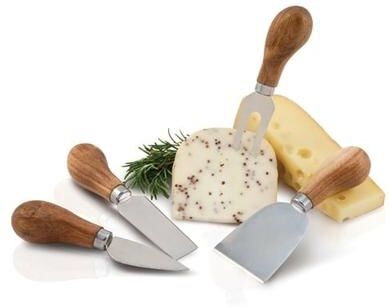
Twine Rustic Farmhouse: Gourmet Cheese KnivesThe Rustic Farmhouse Gourmet Cheese Set is a beautiful collection of four assorted cheese tools. With stainless steel blades and rustic elegant acacia wood handles, this handsome set is perfect for entertaining, gift-giving and picnics!23,19 $*Shipping: 0,00 $Secure redirect to the provider
-
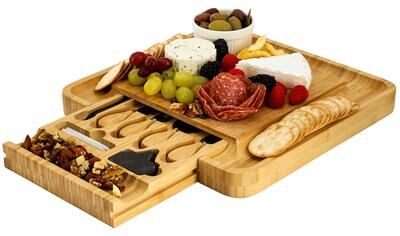
Gourmet Basics by Mikasa Mikasa Gourmet Basics Wine and Charcuterie Serving BoardHost in style with this Gourmet Basics Wine and Charcuterie Serving Board. Beautifully crafted of durable acacia wood, this stunning board is an easy way to serve wine, appetizers, cheese, and more.46,79 $*Shipping: 0,00 $Secure redirect to the provider
-
Zodax Rezi Polished Marble Cheese & Charcuterie BoardA solid slab of white marble with its smooth, substantial design features a round shape accentuated by natural, unique marble veining, the Rezi Cheese Board is minimalist in their design, but serves as a diverse kitchen tool.157,50 $*Shipping: 0,00 $Secure redirect to the provider


-
What does "sitzt ein kleiner Fink Fink Fink" mean?
"Sitzt ein kleiner Fink Fink Fink" is a line from a German children's song called "Ein Vogel wollte Hochzeit machen" (A Bird Wanted to Get Married). The line translates to "sits a little finch finch finch" in English. The song is about a bird getting married and the various animals that attend the wedding. The line describes a little finch sitting and singing "fink fink fink" as part of the wedding celebration. **
-
Why is "Arzt" spelled with "zt" and "sitzt" or "jetzt" with "tzt"?
The spelling of words like "Arzt" with "zt" and "sitzt" or "jetzt" with "tzt" is due to the rules of German orthography. In German, when a short vowel is followed by the consonants "z" or "s," the consonant sound is doubled. This rule helps to maintain consistency in the pronunciation of words and differentiate between similar words. Therefore, the spelling of these words reflects the pronunciation of the consonant sounds in relation to the preceding vowel. **
-
Why is "Arzt" written with "zt" and "sitzt" or "jetzt" with "tzt"?
The reason for the difference in spelling between "Arzt" and "sitzt" or "jetzt" lies in the pronunciation of the words. In German, when the sound /ts/ occurs at the beginning of a syllable, it is spelled with "zt" as in "Arzt." However, when the sound /ts/ occurs at the end of a syllable, it is spelled with "tzt" as in "sitzt" or "jetzt." This spelling rule helps to accurately represent the pronunciation of these words in written form. **
-
Why is "Arzt" spelled with "zt" and "sitzt" or "jetzt" spelled with "tzt"?
The spelling difference between "Arzt" and words like "sitzt" or "jetzt" is due to the pronunciation of the letter "z" in German. In "Arzt," the "z" is pronounced as a voiceless sound, similar to the English "ts" sound. Therefore, it is spelled with "zt" to reflect this pronunciation. In words like "sitzt" or "jetzt," the "z" is pronounced as a voiced sound, similar to the English "z" sound, so it is spelled with "tzt" to reflect this pronunciation. **


Why is "Arzt" written with "zt" and "sitzt" or "jetzt" written with "tzt"?
The spelling difference between "Arzt" and "sitzt" or "jetzt" is due to the pronunciation of the words. In German, when the sound "ts" is followed by a short vowel, it is spelled with "zt" (as in "Arzt"). However, when the sound "ts" is followed by a long vowel or a diphthong, it is spelled with "tzt" (as in "sitzt" or "jetzt"). This spelling rule helps to accurately represent the pronunciation of these words in written form. **
Why are antipasti called antipasti?
The term "antipasti" comes from Italian, where "anti" means "before" and "pasti" means "meals" or "courses." Therefore, "antipasti" literally translates to "before the meal" or "before the courses." This name reflects the traditional Italian practice of serving small, flavorful dishes before the main meal to stimulate the appetite and prepare the palate for the upcoming courses. Antipasti typically include a variety of cured meats, cheeses, olives, and marinated vegetables. **
Top-Angebote
Products related to Sitzt:
-
Twine Rustic Farmhouse: Gourmet Cheese KnivesThe Rustic Farmhouse Gourmet Cheese Set is a beautiful collection of four assorted cheese tools. With stainless steel blades and rustic elegant acacia wood handles, this handsome set is perfect for entertaining, gift-giving and picnics!23,19 $*Shipping: 0,00 $Secure redirect to the provider
-
Gourmet Basics by Mikasa Mikasa Gourmet Basics Wine and Charcuterie Serving BoardHost in style with this Gourmet Basics Wine and Charcuterie Serving Board. Beautifully crafted of durable acacia wood, this stunning board is an easy way to serve wine, appetizers, cheese, and more.46,79 $*Shipping: 0,00 $Secure redirect to the provider
-
How do you spell 'sitzt'?
The word 'sitzt' is spelled as S-I-T-Z-T in the German language. **
-
How do you write "du sitzt"?
"Du sitzt" is written in German using the standard Latin alphabet. The phrase consists of the pronoun "du" meaning "you" and the verb "sitzt" meaning "sit." It is important to note that in German, verbs are conjugated based on the subject pronoun, so "sitzt" is the conjugated form of the verb "sitzen" for the pronoun "du." **
-
What does "sitzt ein kleiner Fink Fink Fink" mean?
"Sitzt ein kleiner Fink Fink Fink" is a line from a German children's song called "Ein Vogel wollte Hochzeit machen" (A Bird Wanted to Get Married). The line translates to "sits a little finch finch finch" in English. The song is about a bird getting married and the various animals that attend the wedding. The line describes a little finch sitting and singing "fink fink fink" as part of the wedding celebration. **
-
Why is "Arzt" spelled with "zt" and "sitzt" or "jetzt" with "tzt"?
The spelling of words like "Arzt" with "zt" and "sitzt" or "jetzt" with "tzt" is due to the rules of German orthography. In German, when a short vowel is followed by the consonants "z" or "s," the consonant sound is doubled. This rule helps to maintain consistency in the pronunciation of words and differentiate between similar words. Therefore, the spelling of these words reflects the pronunciation of the consonant sounds in relation to the preceding vowel. **
Similar search terms for Sitzt
-
Zodax Rezi Polished Marble Cheese & Charcuterie BoardA solid slab of white marble with its smooth, substantial design features a round shape accentuated by natural, unique marble veining, the Rezi Cheese Board is minimalist in their design, but serves as a diverse kitchen tool.157,50 $*Shipping: 0,00 $Secure redirect to the provider
-
Zodax Sargasso Marble Cheese and Charcuterie BoardPolished white marble makes a bright and elegant base for presenting appetizers at the buffet table or home bar. The simple design of this rectangular cheese board highlights the beauty of the durable stone.297,50 $*Shipping: 0,00 $Secure redirect to the provider
-
Why is "Arzt" written with "zt" and "sitzt" or "jetzt" with "tzt"?
The reason for the difference in spelling between "Arzt" and "sitzt" or "jetzt" lies in the pronunciation of the words. In German, when the sound /ts/ occurs at the beginning of a syllable, it is spelled with "zt" as in "Arzt." However, when the sound /ts/ occurs at the end of a syllable, it is spelled with "tzt" as in "sitzt" or "jetzt." This spelling rule helps to accurately represent the pronunciation of these words in written form. **
-
Why is "Arzt" spelled with "zt" and "sitzt" or "jetzt" spelled with "tzt"?
The spelling difference between "Arzt" and words like "sitzt" or "jetzt" is due to the pronunciation of the letter "z" in German. In "Arzt," the "z" is pronounced as a voiceless sound, similar to the English "ts" sound. Therefore, it is spelled with "zt" to reflect this pronunciation. In words like "sitzt" or "jetzt," the "z" is pronounced as a voiced sound, similar to the English "z" sound, so it is spelled with "tzt" to reflect this pronunciation. **
-
Why is "Arzt" written with "zt" and "sitzt" or "jetzt" written with "tzt"?
The spelling difference between "Arzt" and "sitzt" or "jetzt" is due to the pronunciation of the words. In German, when the sound "ts" is followed by a short vowel, it is spelled with "zt" (as in "Arzt"). However, when the sound "ts" is followed by a long vowel or a diphthong, it is spelled with "tzt" (as in "sitzt" or "jetzt"). This spelling rule helps to accurately represent the pronunciation of these words in written form. **
-
Why are antipasti called antipasti?
The term "antipasti" comes from Italian, where "anti" means "before" and "pasti" means "meals" or "courses." Therefore, "antipasti" literally translates to "before the meal" or "before the courses." This name reflects the traditional Italian practice of serving small, flavorful dishes before the main meal to stimulate the appetite and prepare the palate for the upcoming courses. Antipasti typically include a variety of cured meats, cheeses, olives, and marinated vegetables. **
* All prices are inclusive of VAT and, if applicable, plus shipping costs. The offer information is based on the details provided by the respective shop and is updated through automated processes. Real-time updates do not occur, so deviations can occur in individual cases. ** Note: Parts of this content were created by AI.