Buy delicatessen.eu ?
We are moving the project
delicatessen.eu .
Are you interested in purchasing the domain
delicatessen.eu ?
domain@kv-gmbh.de · 0541-91531010
Buy delicatessen.eu ?
Are dogs scavengers?
Yes, dogs are scavengers by nature. They have evolved to scavenge for food in the wild, which is why they may exhibit behaviors such as digging through trash or begging for scraps. However, domesticated dogs are typically fed by their owners and may not need to scavenge for food as much as their wild counterparts. Nonetheless, the scavenging instinct remains a part of their natural behavior. **
Are humans technically considered scavengers?
Humans are not technically considered scavengers. While humans may scavenge for food in certain situations, our primary mode of obtaining food is through hunting, gathering, and agriculture. Scavengers typically rely on feeding off of the remains of dead animals or plants, which is not the main source of sustenance for humans. **
Similar search terms for Scavengers
Top-Angebote
Products related to Scavengers:
-
Gourmet Basics by Mikasa Mikasa Gourmet Basics Wine and Charcuterie Serving BoardHost in style with this Gourmet Basics Wine and Charcuterie Serving Board. Beautifully crafted of durable acacia wood, this stunning board is an easy way to serve wine, appetizers, cheese, and more.46,79 $*Shipping: 0,00 $Secure redirect to the provider




-
Is homology or analogy present in all vultures as scavengers?
Homology is present in all vultures as scavengers. This is because all vultures share a common evolutionary ancestor and have similar anatomical features and behaviors that have been adapted for scavenging. These shared characteristics are considered homologous traits. Analogous traits, on the other hand, would be features that have evolved independently in different species to serve a similar function, which is not the case for vultures as scavengers. **
-
Do scavengers have the same teeth and digestive system as omnivores?
Scavengers typically have teeth and digestive systems that are adapted to consume a wide variety of foods, similar to omnivores. However, the specific adaptations can vary depending on the species and their diet. For example, some scavengers may have sharp teeth for tearing into carrion, while others may have grinding teeth for consuming plant matter found in their scavenged meals. Overall, scavengers and omnivores share similarities in their dental and digestive adaptations to help them efficiently process a range of food sources. **
-
Why are antipasti called antipasti?
The term "antipasti" comes from Italian, where "anti" means "before" and "pasti" means "meals" or "courses." Therefore, "antipasti" literally translates to "before the meal" or "before the courses." This name reflects the traditional Italian practice of serving small, flavorful dishes before the main meal to stimulate the appetite and prepare the palate for the upcoming courses. Antipasti typically include a variety of cured meats, cheeses, olives, and marinated vegetables. **
-
Do scavengers like hyenas and vultures have toxic bacteria in their saliva similar to Komodo dragons?
No, scavengers like hyenas and vultures do not have toxic bacteria in their saliva like Komodo dragons. Komodo dragons have a unique oral bacteria that can cause a deadly infection in their prey, while hyenas and vultures do not possess this type of bacteria. Instead, these scavengers have strong stomach acids that help them digest and eliminate any harmful bacteria they may come into contact with while feeding on carrion. **


Do scavengers like hyenas and vultures have similar to Komodo dragons poisonous bacteria in their saliva?
No, scavengers like hyenas and vultures do not have similar poisonous bacteria in their saliva like Komodo dragons. Komodo dragons have a unique type of bacteria in their saliva that can cause deadly infections in their prey. Hyenas and vultures rely on their strong stomach acids to digest their food, rather than relying on bacteria in their saliva to weaken their prey. **
Do scavengers like hyenas and vultures have poisonous bacteria in their saliva similar to Komodo dragons?
No, scavengers like hyenas and vultures do not have poisonous bacteria in their saliva like Komodo dragons. Komodo dragons have a unique oral bacteria that can cause deadly infections in their prey, while hyenas and vultures rely on their strong stomach acids to break down and digest their food, which helps prevent the growth of harmful bacteria in their saliva. Scavengers play an important role in the ecosystem by helping to clean up carcasses and prevent the spread of disease. **
Top-Angebote
Products related to Scavengers:
-
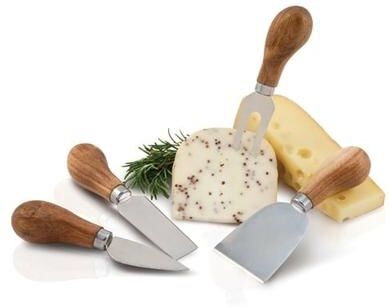
Twine Rustic Farmhouse: Gourmet Cheese KnivesThe Rustic Farmhouse Gourmet Cheese Set is a beautiful collection of four assorted cheese tools. With stainless steel blades and rustic elegant acacia wood handles, this handsome set is perfect for entertaining, gift-giving and picnics!23,19 $*Shipping: 0,00 $Secure redirect to the provider
-
Gourmet Basics by Mikasa Mikasa Gourmet Basics Wine and Charcuterie Serving BoardHost in style with this Gourmet Basics Wine and Charcuterie Serving Board. Beautifully crafted of durable acacia wood, this stunning board is an easy way to serve wine, appetizers, cheese, and more.46,79 $*Shipping: 0,00 $Secure redirect to the provider
-
Are dogs scavengers?
Yes, dogs are scavengers by nature. They have evolved to scavenge for food in the wild, which is why they may exhibit behaviors such as digging through trash or begging for scraps. However, domesticated dogs are typically fed by their owners and may not need to scavenge for food as much as their wild counterparts. Nonetheless, the scavenging instinct remains a part of their natural behavior. **
-
Are humans technically considered scavengers?
Humans are not technically considered scavengers. While humans may scavenge for food in certain situations, our primary mode of obtaining food is through hunting, gathering, and agriculture. Scavengers typically rely on feeding off of the remains of dead animals or plants, which is not the main source of sustenance for humans. **
-
Is homology or analogy present in all vultures as scavengers?
Homology is present in all vultures as scavengers. This is because all vultures share a common evolutionary ancestor and have similar anatomical features and behaviors that have been adapted for scavenging. These shared characteristics are considered homologous traits. Analogous traits, on the other hand, would be features that have evolved independently in different species to serve a similar function, which is not the case for vultures as scavengers. **
-
Do scavengers have the same teeth and digestive system as omnivores?
Scavengers typically have teeth and digestive systems that are adapted to consume a wide variety of foods, similar to omnivores. However, the specific adaptations can vary depending on the species and their diet. For example, some scavengers may have sharp teeth for tearing into carrion, while others may have grinding teeth for consuming plant matter found in their scavenged meals. Overall, scavengers and omnivores share similarities in their dental and digestive adaptations to help them efficiently process a range of food sources. **
Similar search terms for Scavengers
-
Why are antipasti called antipasti?
The term "antipasti" comes from Italian, where "anti" means "before" and "pasti" means "meals" or "courses." Therefore, "antipasti" literally translates to "before the meal" or "before the courses." This name reflects the traditional Italian practice of serving small, flavorful dishes before the main meal to stimulate the appetite and prepare the palate for the upcoming courses. Antipasti typically include a variety of cured meats, cheeses, olives, and marinated vegetables. **
-
Do scavengers like hyenas and vultures have toxic bacteria in their saliva similar to Komodo dragons?
No, scavengers like hyenas and vultures do not have toxic bacteria in their saliva like Komodo dragons. Komodo dragons have a unique oral bacteria that can cause a deadly infection in their prey, while hyenas and vultures do not possess this type of bacteria. Instead, these scavengers have strong stomach acids that help them digest and eliminate any harmful bacteria they may come into contact with while feeding on carrion. **
-
Do scavengers like hyenas and vultures have similar to Komodo dragons poisonous bacteria in their saliva?
No, scavengers like hyenas and vultures do not have similar poisonous bacteria in their saliva like Komodo dragons. Komodo dragons have a unique type of bacteria in their saliva that can cause deadly infections in their prey. Hyenas and vultures rely on their strong stomach acids to digest their food, rather than relying on bacteria in their saliva to weaken their prey. **
-
Do scavengers like hyenas and vultures have poisonous bacteria in their saliva similar to Komodo dragons?
No, scavengers like hyenas and vultures do not have poisonous bacteria in their saliva like Komodo dragons. Komodo dragons have a unique oral bacteria that can cause deadly infections in their prey, while hyenas and vultures rely on their strong stomach acids to break down and digest their food, which helps prevent the growth of harmful bacteria in their saliva. Scavengers play an important role in the ecosystem by helping to clean up carcasses and prevent the spread of disease. **
* All prices are inclusive of VAT and, if applicable, plus shipping costs. The offer information is based on the details provided by the respective shop and is updated through automated processes. Real-time updates do not occur, so deviations can occur in individual cases. ** Note: Parts of this content were created by AI.