Buy delicatessen.eu ?
We are moving the project
delicatessen.eu .
Are you interested in purchasing the domain
delicatessen.eu ?
domain@kv-gmbh.de · 0541-91531010
Buy delicatessen.eu ?
What happens after mycelium has formed?
After mycelium has formed, it continues to grow and spread through its environment in search of nutrients. As it grows, it may come into contact with other mycelium networks and form connections, creating a larger fungal network. Eventually, the mycelium may produce fruiting bodies such as mushrooms, which are the reproductive structures of the fungus. These mushrooms release spores, allowing the fungus to reproduce and continue its life cycle. **
What is a fungal mycelium made of?
A fungal mycelium is made of a network of thread-like structures called hyphae. These hyphae are composed of long, branching chains of cells that make up the body of the fungus. The mycelium acts as the main vegetative part of the fungus, responsible for absorbing nutrients from its environment and supporting the growth and reproduction of the organism. The interconnected network of hyphae allows the mycelium to spread and colonize its substrate, whether it be soil, wood, or another organic material. **

Similar search terms for Mycelium
Top-Angebote
Products related to Mycelium:
-
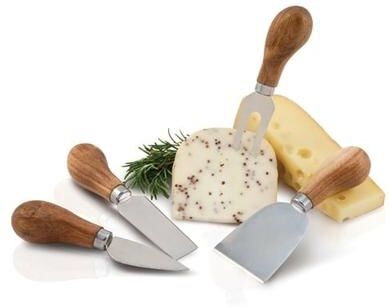
Twine Rustic Farmhouse: Gourmet Cheese KnivesThe Rustic Farmhouse Gourmet Cheese Set is a beautiful collection of four assorted cheese tools. With stainless steel blades and rustic elegant acacia wood handles, this handsome set is perfect for entertaining, gift-giving and picnics!23,19 $*Shipping: 0,00 $Secure redirect to the provider
-
Gourmet Basics by Mikasa Mikasa Gourmet Basics Wine and Charcuterie Serving BoardHost in style with this Gourmet Basics Wine and Charcuterie Serving Board. Beautifully crafted of durable acacia wood, this stunning board is an easy way to serve wine, appetizers, cheese, and more.46,79 $*Shipping: 0,00 $Secure redirect to the provider
-
Zodax Rezi Polished Marble Cheese & Charcuterie BoardA solid slab of white marble with its smooth, substantial design features a round shape accentuated by natural, unique marble veining, the Rezi Cheese Board is minimalist in their design, but serves as a diverse kitchen tool.157,50 $*Shipping: 0,00 $Secure redirect to the provider



-
Do mushroom mycelium die at sub-zero temperatures?
Mushroom mycelium can survive at sub-zero temperatures, but they may become dormant or slow down their growth. Some species of mushroom mycelium are adapted to cold temperatures and can even thrive in sub-zero conditions. However, extreme cold can still damage or kill the mycelium, especially if it is not acclimated to such conditions. Overall, while some mushroom mycelium can survive sub-zero temperatures, it depends on the specific species and their ability to adapt to cold environments. **
-
How can one distinguish the mycelium of a mushroom from mold?
One way to distinguish the mycelium of a mushroom from mold is by looking at the color and texture. Mycelium of a mushroom is typically white or light-colored and has a fluffy or cotton-like appearance. Mold, on the other hand, can be various colors such as green, black, or gray, and may appear fuzzy or slimy. Additionally, mycelium of a mushroom is usually found growing in a specific pattern around the base of the mushroom, while mold can spread rapidly and cover a larger area. **
-
How can one distinguish the mushroom mycelium from mold on a mushroom?
Mycelium is the vegetative part of a fungus and is typically found growing within the substrate of the mushroom. It appears as a network of white, thread-like strands. Mold, on the other hand, is a type of fungus that can grow on the surface of the mushroom and appears as fuzzy, discolored patches. Additionally, mycelium is essential for the growth and development of the mushroom, while mold can be harmful and lead to spoilage. Therefore, by observing the location and appearance of the growth, one can distinguish between mycelium and mold on a mushroom. **
-
Why are antipasti called antipasti?
The term "antipasti" comes from Italian, where "anti" means "before" and "pasti" means "meals" or "courses." Therefore, "antipasti" literally translates to "before the meal" or "before the courses." This name reflects the traditional Italian practice of serving small, flavorful dishes before the main meal to stimulate the appetite and prepare the palate for the upcoming courses. Antipasti typically include a variety of cured meats, cheeses, olives, and marinated vegetables. **


Why can cultivated mushrooms only be harvested 3 times? Do the mycelium die? What about wild mushrooms?
Cultivated mushrooms can only be harvested 3 times because after that, the mycelium, which is the vegetative part of the fungus, becomes depleted of nutrients and loses its ability to produce mushrooms. The mycelium itself does not die, but it becomes less productive. In the case of wild mushrooms, they can continue to produce mushrooms for many years because they are able to access a wider range of nutrients and resources in their natural environment. Additionally, wild mushrooms have evolved to thrive in their specific ecological niche, allowing them to continue producing mushrooms over a longer period of time. **
How is antipasti stored?
Antipasti is typically stored in the refrigerator to keep it fresh. It should be kept in a sealed container or covered with plastic wrap to prevent it from drying out or absorbing other odors from the fridge. Some antipasti, such as marinated vegetables or cured meats, can also be stored in airtight jars or vacuum-sealed bags to maintain their flavor and texture. It's important to follow any specific storage instructions provided for the particular type of antipasti you have. **
Top-Angebote
Products related to Mycelium:
-
Twine Rustic Farmhouse: Gourmet Cheese KnivesThe Rustic Farmhouse Gourmet Cheese Set is a beautiful collection of four assorted cheese tools. With stainless steel blades and rustic elegant acacia wood handles, this handsome set is perfect for entertaining, gift-giving and picnics!23,19 $*Shipping: 0,00 $Secure redirect to the provider
-
Gourmet Basics by Mikasa Mikasa Gourmet Basics Wine and Charcuterie Serving BoardHost in style with this Gourmet Basics Wine and Charcuterie Serving Board. Beautifully crafted of durable acacia wood, this stunning board is an easy way to serve wine, appetizers, cheese, and more.46,79 $*Shipping: 0,00 $Secure redirect to the provider
-
What happens after mycelium has formed?
After mycelium has formed, it continues to grow and spread through its environment in search of nutrients. As it grows, it may come into contact with other mycelium networks and form connections, creating a larger fungal network. Eventually, the mycelium may produce fruiting bodies such as mushrooms, which are the reproductive structures of the fungus. These mushrooms release spores, allowing the fungus to reproduce and continue its life cycle. **
-
What is a fungal mycelium made of?
A fungal mycelium is made of a network of thread-like structures called hyphae. These hyphae are composed of long, branching chains of cells that make up the body of the fungus. The mycelium acts as the main vegetative part of the fungus, responsible for absorbing nutrients from its environment and supporting the growth and reproduction of the organism. The interconnected network of hyphae allows the mycelium to spread and colonize its substrate, whether it be soil, wood, or another organic material. **
-
Do mushroom mycelium die at sub-zero temperatures?
Mushroom mycelium can survive at sub-zero temperatures, but they may become dormant or slow down their growth. Some species of mushroom mycelium are adapted to cold temperatures and can even thrive in sub-zero conditions. However, extreme cold can still damage or kill the mycelium, especially if it is not acclimated to such conditions. Overall, while some mushroom mycelium can survive sub-zero temperatures, it depends on the specific species and their ability to adapt to cold environments. **
-
How can one distinguish the mycelium of a mushroom from mold?
One way to distinguish the mycelium of a mushroom from mold is by looking at the color and texture. Mycelium of a mushroom is typically white or light-colored and has a fluffy or cotton-like appearance. Mold, on the other hand, can be various colors such as green, black, or gray, and may appear fuzzy or slimy. Additionally, mycelium of a mushroom is usually found growing in a specific pattern around the base of the mushroom, while mold can spread rapidly and cover a larger area. **
Similar search terms for Mycelium
-
Zodax Rezi Polished Marble Cheese & Charcuterie BoardA solid slab of white marble with its smooth, substantial design features a round shape accentuated by natural, unique marble veining, the Rezi Cheese Board is minimalist in their design, but serves as a diverse kitchen tool.157,50 $*Shipping: 0,00 $Secure redirect to the provider
-
Zodax Sargasso Marble Cheese and Charcuterie BoardPolished white marble makes a bright and elegant base for presenting appetizers at the buffet table or home bar. The simple design of this rectangular cheese board highlights the beauty of the durable stone.297,50 $*Shipping: 0,00 $Secure redirect to the provider
-
How can one distinguish the mushroom mycelium from mold on a mushroom?
Mycelium is the vegetative part of a fungus and is typically found growing within the substrate of the mushroom. It appears as a network of white, thread-like strands. Mold, on the other hand, is a type of fungus that can grow on the surface of the mushroom and appears as fuzzy, discolored patches. Additionally, mycelium is essential for the growth and development of the mushroom, while mold can be harmful and lead to spoilage. Therefore, by observing the location and appearance of the growth, one can distinguish between mycelium and mold on a mushroom. **
-
Why are antipasti called antipasti?
The term "antipasti" comes from Italian, where "anti" means "before" and "pasti" means "meals" or "courses." Therefore, "antipasti" literally translates to "before the meal" or "before the courses." This name reflects the traditional Italian practice of serving small, flavorful dishes before the main meal to stimulate the appetite and prepare the palate for the upcoming courses. Antipasti typically include a variety of cured meats, cheeses, olives, and marinated vegetables. **
-
Why can cultivated mushrooms only be harvested 3 times? Do the mycelium die? What about wild mushrooms?
Cultivated mushrooms can only be harvested 3 times because after that, the mycelium, which is the vegetative part of the fungus, becomes depleted of nutrients and loses its ability to produce mushrooms. The mycelium itself does not die, but it becomes less productive. In the case of wild mushrooms, they can continue to produce mushrooms for many years because they are able to access a wider range of nutrients and resources in their natural environment. Additionally, wild mushrooms have evolved to thrive in their specific ecological niche, allowing them to continue producing mushrooms over a longer period of time. **
-
How is antipasti stored?
Antipasti is typically stored in the refrigerator to keep it fresh. It should be kept in a sealed container or covered with plastic wrap to prevent it from drying out or absorbing other odors from the fridge. Some antipasti, such as marinated vegetables or cured meats, can also be stored in airtight jars or vacuum-sealed bags to maintain their flavor and texture. It's important to follow any specific storage instructions provided for the particular type of antipasti you have. **
* All prices are inclusive of VAT and, if applicable, plus shipping costs. The offer information is based on the details provided by the respective shop and is updated through automated processes. Real-time updates do not occur, so deviations can occur in individual cases. ** Note: Parts of this content were created by AI.