Buy delicatessen.eu ?
We are moving the project
delicatessen.eu .
Are you interested in purchasing the domain
delicatessen.eu ?
domain@kv-gmbh.de · 0541-91531010
Buy delicatessen.eu ?
What is the miscibility of substances?
Miscibility refers to the ability of two or more substances to mix together and form a homogeneous solution. When substances are miscible, they can dissolve in each other in any proportion, creating a single phase. This is often seen in the mixing of liquids, such as water and ethanol, which are completely miscible and form a homogeneous solution. On the other hand, substances that are immiscible, like oil and water, do not mix and form separate layers. Miscibility is an important concept in chemistry and is used to understand how different substances interact with each other. **
What is the miscibility of alkanes?
Alkanes are generally immiscible with water but are miscible with other nonpolar solvents such as benzene, toluene, and ether. This is because alkanes are nonpolar molecules and do not form hydrogen bonds with water molecules. However, they can mix with other nonpolar substances due to similar intermolecular forces. The miscibility of alkanes with other solvents depends on the polarity and intermolecular forces of the solvent. **
Similar search terms for Miscibility
Top-Angebote
Products related to Miscibility:
-
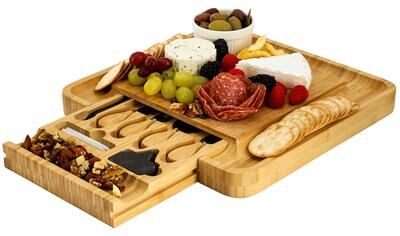
Gourmet Basics by Mikasa Mikasa Gourmet Basics Wine and Charcuterie Serving BoardHost in style with this Gourmet Basics Wine and Charcuterie Serving Board. Beautifully crafted of durable acacia wood, this stunning board is an easy way to serve wine, appetizers, cheese, and more.46,79 $*Shipping: 0,00 $Secure redirect to the provider
-
Zodax Rezi Polished Marble Cheese & Charcuterie BoardA solid slab of white marble with its smooth, substantial design features a round shape accentuated by natural, unique marble veining, the Rezi Cheese Board is minimalist in their design, but serves as a diverse kitchen tool.157,50 $*Shipping: 0,00 $Secure redirect to the provider



-
What is the miscibility of water with alcohols?
Water is miscible with alcohols, meaning they can mix together in any proportion. This is because both water and alcohols are polar molecules, allowing them to form hydrogen bonds with each other. The strength of the hydrogen bonding between water and alcohols depends on the size and structure of the alcohol molecule. Generally, smaller alcohols like methanol and ethanol are more miscible with water compared to larger alcohols like octanol. **
-
How is the miscibility of water with alcohols?
The miscibility of water with alcohols depends on the size and structure of the alcohol molecule. Small alcohols such as methanol, ethanol, and propanol are highly miscible with water due to their ability to form hydrogen bonds with water molecules. As the size of the alcohol molecule increases, miscibility with water decreases. Larger alcohols like butanol and pentanol are less miscible with water and tend to form separate layers when mixed. **
-
What is the miscibility of water and oil?
Water and oil are immiscible, meaning they do not mix together. This is because water is a polar molecule, while oil is nonpolar. The polar nature of water causes its molecules to be attracted to each other, while the nonpolar nature of oil causes its molecules to be attracted to each other. As a result, the two substances do not mix and instead form separate layers when combined. **
-
How can one assess the miscibility of substances based on intermolecular forces?
One can assess the miscibility of substances based on intermolecular forces by considering the types of intermolecular forces present in each substance. For example, substances with similar intermolecular forces, such as two nonpolar substances with only London dispersion forces, are more likely to be miscible. On the other hand, substances with different intermolecular forces, such as a polar and nonpolar substance, are less likely to be miscible. Additionally, the strength of the intermolecular forces can also play a role in miscibility, as substances with stronger intermolecular forces are more likely to be miscible with each other. **


Why are antipasti called antipasti?
The term "antipasti" comes from Italian, where "anti" means "before" and "pasti" means "meals" or "courses." Therefore, "antipasti" literally translates to "before the meal" or "before the courses." This name reflects the traditional Italian practice of serving small, flavorful dishes before the main meal to stimulate the appetite and prepare the palate for the upcoming courses. Antipasti typically include a variety of cured meats, cheeses, olives, and marinated vegetables. **
How is antipasti stored?
Antipasti is typically stored in the refrigerator to keep it fresh. It should be kept in a sealed container or covered with plastic wrap to prevent it from drying out or absorbing other odors from the fridge. Some antipasti, such as marinated vegetables or cured meats, can also be stored in airtight jars or vacuum-sealed bags to maintain their flavor and texture. It's important to follow any specific storage instructions provided for the particular type of antipasti you have. **
Top-Angebote
Products related to Miscibility:
-
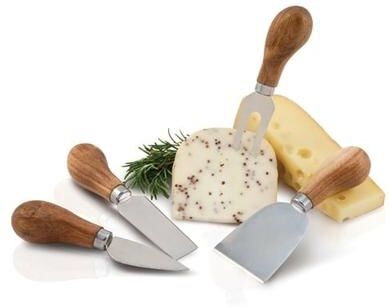
Twine Rustic Farmhouse: Gourmet Cheese KnivesThe Rustic Farmhouse Gourmet Cheese Set is a beautiful collection of four assorted cheese tools. With stainless steel blades and rustic elegant acacia wood handles, this handsome set is perfect for entertaining, gift-giving and picnics!23,19 $*Shipping: 0,00 $Secure redirect to the provider
-
Gourmet Basics by Mikasa Mikasa Gourmet Basics Wine and Charcuterie Serving BoardHost in style with this Gourmet Basics Wine and Charcuterie Serving Board. Beautifully crafted of durable acacia wood, this stunning board is an easy way to serve wine, appetizers, cheese, and more.46,79 $*Shipping: 0,00 $Secure redirect to the provider
-
What is the miscibility of substances?
Miscibility refers to the ability of two or more substances to mix together and form a homogeneous solution. When substances are miscible, they can dissolve in each other in any proportion, creating a single phase. This is often seen in the mixing of liquids, such as water and ethanol, which are completely miscible and form a homogeneous solution. On the other hand, substances that are immiscible, like oil and water, do not mix and form separate layers. Miscibility is an important concept in chemistry and is used to understand how different substances interact with each other. **
-
What is the miscibility of alkanes?
Alkanes are generally immiscible with water but are miscible with other nonpolar solvents such as benzene, toluene, and ether. This is because alkanes are nonpolar molecules and do not form hydrogen bonds with water molecules. However, they can mix with other nonpolar substances due to similar intermolecular forces. The miscibility of alkanes with other solvents depends on the polarity and intermolecular forces of the solvent. **
-
What is the miscibility of water with alcohols?
Water is miscible with alcohols, meaning they can mix together in any proportion. This is because both water and alcohols are polar molecules, allowing them to form hydrogen bonds with each other. The strength of the hydrogen bonding between water and alcohols depends on the size and structure of the alcohol molecule. Generally, smaller alcohols like methanol and ethanol are more miscible with water compared to larger alcohols like octanol. **
-
How is the miscibility of water with alcohols?
The miscibility of water with alcohols depends on the size and structure of the alcohol molecule. Small alcohols such as methanol, ethanol, and propanol are highly miscible with water due to their ability to form hydrogen bonds with water molecules. As the size of the alcohol molecule increases, miscibility with water decreases. Larger alcohols like butanol and pentanol are less miscible with water and tend to form separate layers when mixed. **
Similar search terms for Miscibility
-
Zodax Rezi Polished Marble Cheese & Charcuterie BoardA solid slab of white marble with its smooth, substantial design features a round shape accentuated by natural, unique marble veining, the Rezi Cheese Board is minimalist in their design, but serves as a diverse kitchen tool.157,50 $*Shipping: 0,00 $Secure redirect to the provider
-
Zodax Sargasso Marble Cheese and Charcuterie BoardPolished white marble makes a bright and elegant base for presenting appetizers at the buffet table or home bar. The simple design of this rectangular cheese board highlights the beauty of the durable stone.297,50 $*Shipping: 0,00 $Secure redirect to the provider
-
What is the miscibility of water and oil?
Water and oil are immiscible, meaning they do not mix together. This is because water is a polar molecule, while oil is nonpolar. The polar nature of water causes its molecules to be attracted to each other, while the nonpolar nature of oil causes its molecules to be attracted to each other. As a result, the two substances do not mix and instead form separate layers when combined. **
-
How can one assess the miscibility of substances based on intermolecular forces?
One can assess the miscibility of substances based on intermolecular forces by considering the types of intermolecular forces present in each substance. For example, substances with similar intermolecular forces, such as two nonpolar substances with only London dispersion forces, are more likely to be miscible. On the other hand, substances with different intermolecular forces, such as a polar and nonpolar substance, are less likely to be miscible. Additionally, the strength of the intermolecular forces can also play a role in miscibility, as substances with stronger intermolecular forces are more likely to be miscible with each other. **
-
Why are antipasti called antipasti?
The term "antipasti" comes from Italian, where "anti" means "before" and "pasti" means "meals" or "courses." Therefore, "antipasti" literally translates to "before the meal" or "before the courses." This name reflects the traditional Italian practice of serving small, flavorful dishes before the main meal to stimulate the appetite and prepare the palate for the upcoming courses. Antipasti typically include a variety of cured meats, cheeses, olives, and marinated vegetables. **
-
How is antipasti stored?
Antipasti is typically stored in the refrigerator to keep it fresh. It should be kept in a sealed container or covered with plastic wrap to prevent it from drying out or absorbing other odors from the fridge. Some antipasti, such as marinated vegetables or cured meats, can also be stored in airtight jars or vacuum-sealed bags to maintain their flavor and texture. It's important to follow any specific storage instructions provided for the particular type of antipasti you have. **
* All prices are inclusive of VAT and, if applicable, plus shipping costs. The offer information is based on the details provided by the respective shop and is updated through automated processes. Real-time updates do not occur, so deviations can occur in individual cases. ** Note: Parts of this content were created by AI.