Buy delicatessen.eu ?
We are moving the project
delicatessen.eu .
Are you interested in purchasing the domain
delicatessen.eu ?
domain@kv-gmbh.de · 0541-91531010
Buy delicatessen.eu ?
What is the difference between le lieu and l'endroit?
The main difference between "le lieu" and "l'endroit" is their usage and formality. "Le lieu" is a more formal and general term that refers to a place or location in a broad sense. It is often used in more formal or written language. On the other hand, "l'endroit" is a more casual and specific term that refers to a particular spot or place. It is often used in spoken language and is more specific in its meaning. **
How can one take time off in lieu after a deployment?
After a deployment, one can take time off in lieu by discussing the option with their employer or supervisor. They can request to use any accrued leave, such as vacation or comp time, to make up for the extra time worked during the deployment. It's important to communicate with the employer about the need for time off in lieu and to follow any company policies or procedures for requesting and using this time. Additionally, it may be helpful to provide documentation or proof of the extra time worked during the deployment to support the request for time off in lieu. **

Similar search terms for Lieu
Top-Angebote
Products related to Lieu:
-
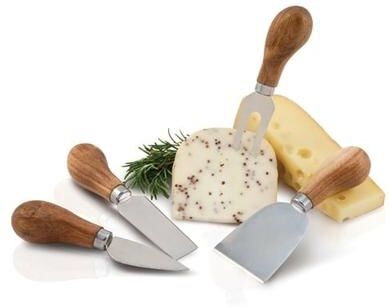
Twine Rustic Farmhouse: Gourmet Cheese KnivesThe Rustic Farmhouse Gourmet Cheese Set is a beautiful collection of four assorted cheese tools. With stainless steel blades and rustic elegant acacia wood handles, this handsome set is perfect for entertaining, gift-giving and picnics!23,19 $*Shipping: 0,00 $Secure redirect to the provider
-
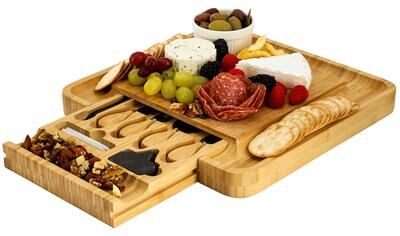
Gourmet Basics by Mikasa Mikasa Gourmet Basics Wine and Charcuterie Serving BoardHost in style with this Gourmet Basics Wine and Charcuterie Serving Board. Beautifully crafted of durable acacia wood, this stunning board is an easy way to serve wine, appetizers, cheese, and more.59,99 $*Shipping: 0,00 $Secure redirect to the provider


-
Can my employer theoretically force me to take time off in lieu?
Yes, your employer can theoretically force you to take time off in lieu if it is outlined in your employment contract or company policies. Time off in lieu is typically offered as a benefit to compensate for overtime work, and employers may require employees to use this time at their discretion. However, it is important to ensure that any time off in lieu is used fairly and in accordance with labor laws and regulations. If you have concerns about being forced to take time off in lieu, it is best to consult with HR or a legal professional. **
-
Does he have time off in lieu for overtime today and tomorrow?
I'm sorry, I cannot provide a specific answer to this question as I do not have access to the individual's work schedule or employment terms. Time off in lieu for overtime is typically determined by an individual's employment contract or company policy. It would be best for the individual to check with their employer or HR department to confirm if they are entitled to time off in lieu for overtime worked today and tomorrow. **
-
Is there also an overtime pay for taking time off in lieu?
Yes, in many cases, employees who work overtime and are compensated with time off in lieu (compensatory time off) may also be entitled to overtime pay for the additional hours worked. This means that if an employee works overtime and is given time off in lieu as compensation, they may still be entitled to receive overtime pay for the extra hours worked, in addition to the time off. However, the specific rules and regulations regarding overtime pay and compensatory time off can vary depending on the country, state, or industry, so it's important to consult the relevant labor laws and employment contracts for specific details. **
-
Why are antipasti called antipasti?
The term "antipasti" comes from Italian, where "anti" means "before" and "pasti" means "meals" or "courses." Therefore, "antipasti" literally translates to "before the meal" or "before the courses." This name reflects the traditional Italian practice of serving small, flavorful dishes before the main meal to stimulate the appetite and prepare the palate for the upcoming courses. Antipasti typically include a variety of cured meats, cheeses, olives, and marinated vegetables. **


What is the difference between damages in lieu of performance and restitution of futile expenses?
Damages in lieu of performance are a monetary remedy awarded to the non-breaching party when the breaching party fails to perform their contractual obligations. This remedy aims to compensate the non-breaching party for the loss suffered due to the breach. On the other hand, restitution of futile expenses is a remedy where the non-breaching party is reimbursed for any expenses incurred in preparation for performance of the contract that are now rendered useless due to the breach. In essence, damages in lieu of performance focus on compensating for the actual loss suffered, while restitution of futile expenses aims to return the non-breaching party to the position they were in before the contract was made. **
What is the difference between damages in lieu of performance and reimbursement of wasted expenses?
Damages in lieu of performance are a monetary remedy awarded to the non-breaching party when the breaching party fails to fulfill their contractual obligations. These damages are meant to compensate the non-breaching party for the loss suffered due to the breach. On the other hand, reimbursement of wasted expenses refers to the repayment of expenses incurred by the non-breaching party in preparation for the performance of the contract that are now rendered useless due to the breach. While damages in lieu of performance focus on compensating for the overall loss suffered, reimbursement of wasted expenses specifically addresses the return of funds spent on preparations that are no longer needed. **
Top-Angebote
Products related to Lieu:
-
Twine Rustic Farmhouse: Gourmet Cheese KnivesThe Rustic Farmhouse Gourmet Cheese Set is a beautiful collection of four assorted cheese tools. With stainless steel blades and rustic elegant acacia wood handles, this handsome set is perfect for entertaining, gift-giving and picnics!23,19 $*Shipping: 0,00 $Secure redirect to the provider
-
Gourmet Basics by Mikasa Mikasa Gourmet Basics Wine and Charcuterie Serving BoardHost in style with this Gourmet Basics Wine and Charcuterie Serving Board. Beautifully crafted of durable acacia wood, this stunning board is an easy way to serve wine, appetizers, cheese, and more.59,99 $*Shipping: 0,00 $Secure redirect to the provider
-
What is the difference between le lieu and l'endroit?
The main difference between "le lieu" and "l'endroit" is their usage and formality. "Le lieu" is a more formal and general term that refers to a place or location in a broad sense. It is often used in more formal or written language. On the other hand, "l'endroit" is a more casual and specific term that refers to a particular spot or place. It is often used in spoken language and is more specific in its meaning. **
-
How can one take time off in lieu after a deployment?
After a deployment, one can take time off in lieu by discussing the option with their employer or supervisor. They can request to use any accrued leave, such as vacation or comp time, to make up for the extra time worked during the deployment. It's important to communicate with the employer about the need for time off in lieu and to follow any company policies or procedures for requesting and using this time. Additionally, it may be helpful to provide documentation or proof of the extra time worked during the deployment to support the request for time off in lieu. **
-
Can my employer theoretically force me to take time off in lieu?
Yes, your employer can theoretically force you to take time off in lieu if it is outlined in your employment contract or company policies. Time off in lieu is typically offered as a benefit to compensate for overtime work, and employers may require employees to use this time at their discretion. However, it is important to ensure that any time off in lieu is used fairly and in accordance with labor laws and regulations. If you have concerns about being forced to take time off in lieu, it is best to consult with HR or a legal professional. **
-
Does he have time off in lieu for overtime today and tomorrow?
I'm sorry, I cannot provide a specific answer to this question as I do not have access to the individual's work schedule or employment terms. Time off in lieu for overtime is typically determined by an individual's employment contract or company policy. It would be best for the individual to check with their employer or HR department to confirm if they are entitled to time off in lieu for overtime worked today and tomorrow. **
Similar search terms for Lieu
-
Is there also an overtime pay for taking time off in lieu?
Yes, in many cases, employees who work overtime and are compensated with time off in lieu (compensatory time off) may also be entitled to overtime pay for the additional hours worked. This means that if an employee works overtime and is given time off in lieu as compensation, they may still be entitled to receive overtime pay for the extra hours worked, in addition to the time off. However, the specific rules and regulations regarding overtime pay and compensatory time off can vary depending on the country, state, or industry, so it's important to consult the relevant labor laws and employment contracts for specific details. **
-
Why are antipasti called antipasti?
The term "antipasti" comes from Italian, where "anti" means "before" and "pasti" means "meals" or "courses." Therefore, "antipasti" literally translates to "before the meal" or "before the courses." This name reflects the traditional Italian practice of serving small, flavorful dishes before the main meal to stimulate the appetite and prepare the palate for the upcoming courses. Antipasti typically include a variety of cured meats, cheeses, olives, and marinated vegetables. **
-
What is the difference between damages in lieu of performance and restitution of futile expenses?
Damages in lieu of performance are a monetary remedy awarded to the non-breaching party when the breaching party fails to perform their contractual obligations. This remedy aims to compensate the non-breaching party for the loss suffered due to the breach. On the other hand, restitution of futile expenses is a remedy where the non-breaching party is reimbursed for any expenses incurred in preparation for performance of the contract that are now rendered useless due to the breach. In essence, damages in lieu of performance focus on compensating for the actual loss suffered, while restitution of futile expenses aims to return the non-breaching party to the position they were in before the contract was made. **
-
What is the difference between damages in lieu of performance and reimbursement of wasted expenses?
Damages in lieu of performance are a monetary remedy awarded to the non-breaching party when the breaching party fails to fulfill their contractual obligations. These damages are meant to compensate the non-breaching party for the loss suffered due to the breach. On the other hand, reimbursement of wasted expenses refers to the repayment of expenses incurred by the non-breaching party in preparation for the performance of the contract that are now rendered useless due to the breach. While damages in lieu of performance focus on compensating for the overall loss suffered, reimbursement of wasted expenses specifically addresses the return of funds spent on preparations that are no longer needed. **
* All prices are inclusive of VAT and, if applicable, plus shipping costs. The offer information is based on the details provided by the respective shop and is updated through automated processes. Real-time updates do not occur, so deviations can occur in individual cases. ** Note: Parts of this content were created by AI.