Buy delicatessen.eu ?
We are moving the project
delicatessen.eu .
Are you interested in purchasing the domain
delicatessen.eu ?
domain@kv-gmbh.de · 0541-91531010
Buy delicatessen.eu ?
How is the Incoterm DDP explained for the uninformed?
The Incoterm DDP, or Delivered Duty Paid, is a shipping agreement that places the maximum responsibility on the seller. Under DDP, the seller is responsible for delivering the goods to the buyer's location, paying for all transportation and import duties, and assuming all risks until the goods are delivered. This means that the buyer does not have to worry about any transportation or customs clearance, as the seller takes care of everything. DDP is often used when the buyer is unfamiliar with the import process or when the seller wants to provide a complete service to the buyer. **
How is the Incoterm DDP explained to the uninformed?
The Incoterm DDP, which stands for Delivered Duty Paid, is explained to the uninformed as a shipping agreement where the seller is responsible for delivering the goods to the buyer's location, covering all costs including duties, taxes, and transportation. This means that the seller takes on the most responsibility and risk in the transaction, ensuring that the buyer receives the goods at their doorstep without having to worry about additional costs or logistics. It is important for both parties to clearly understand the terms of the DDP Incoterm to avoid any misunderstandings or disputes during the shipping process. **
Similar search terms for Incoterm
Top-Angebote
Products related to Incoterm:
-
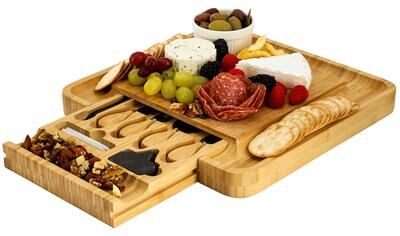
Gourmet Basics by Mikasa Mikasa Gourmet Basics Wine and Charcuterie Serving BoardHost in style with this Gourmet Basics Wine and Charcuterie Serving Board. Beautifully crafted of durable acacia wood, this stunning board is an easy way to serve wine, appetizers, cheese, and more.46,79 $*Shipping: 0,00 $Secure redirect to the provider



-
Which Incoterm makes the most sense for me as a small business owner?
As a small business owner, it may make the most sense for you to use the Ex Works (EXW) Incoterm. This term places the least amount of responsibility and risk on the seller, making it easier for a small business with limited resources to manage. With EXW, you are only responsible for making the goods available at your own premises, and the buyer is responsible for all other aspects of the shipment, including transportation and customs clearance. This can help simplify your logistics and reduce your overall costs and risks. **
-
Why are antipasti called antipasti?
The term "antipasti" comes from Italian, where "anti" means "before" and "pasti" means "meals" or "courses." Therefore, "antipasti" literally translates to "before the meal" or "before the courses." This name reflects the traditional Italian practice of serving small, flavorful dishes before the main meal to stimulate the appetite and prepare the palate for the upcoming courses. Antipasti typically include a variety of cured meats, cheeses, olives, and marinated vegetables. **
-
How is antipasti stored?
Antipasti is typically stored in the refrigerator to keep it fresh. It should be kept in a sealed container or covered with plastic wrap to prevent it from drying out or absorbing other odors from the fridge. Some antipasti, such as marinated vegetables or cured meats, can also be stored in airtight jars or vacuum-sealed bags to maintain their flavor and texture. It's important to follow any specific storage instructions provided for the particular type of antipasti you have. **
-
Can you eat antipasti while breastfeeding?
Yes, you can eat antipasti while breastfeeding. Antipasti typically consists of various types of cured meats, cheeses, olives, and vegetables, which are all safe to consume while breastfeeding. However, it's important to be mindful of any potential food allergies or sensitivities that your baby may have. If you notice any adverse reactions in your baby after consuming antipasti, it's best to consult with a healthcare professional. **


Are truffles healthy?
Truffles are a good source of nutrients such as protein, fiber, and various vitamins and minerals including vitamin C, vitamin B12, and iron. They also contain antioxidants which can help protect the body from damage caused by free radicals. However, truffles are also high in calories and fat, so they should be consumed in moderation as part of a balanced diet. Overall, while truffles can provide some health benefits, it's important to be mindful of portion sizes and overall dietary intake. **
What are false truffles?
False truffles are a type of fungi that resemble true truffles in appearance but are not closely related. They are often found in association with tree roots and are mycorrhizal, forming symbiotic relationships with the roots of trees. False truffles are not as highly prized for culinary purposes as true truffles, but some species are still consumed by animals or used in traditional medicine. **
Top-Angebote
Products related to Incoterm:
-
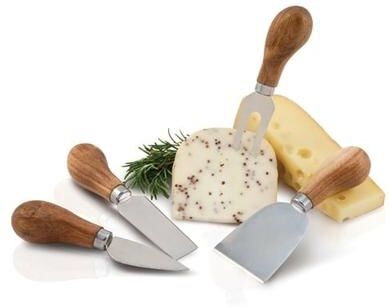
Twine Rustic Farmhouse: Gourmet Cheese KnivesThe Rustic Farmhouse Gourmet Cheese Set is a beautiful collection of four assorted cheese tools. With stainless steel blades and rustic elegant acacia wood handles, this handsome set is perfect for entertaining, gift-giving and picnics!23,19 $*Shipping: 0,00 $Secure redirect to the provider
-
Gourmet Basics by Mikasa Mikasa Gourmet Basics Wine and Charcuterie Serving BoardHost in style with this Gourmet Basics Wine and Charcuterie Serving Board. Beautifully crafted of durable acacia wood, this stunning board is an easy way to serve wine, appetizers, cheese, and more.46,79 $*Shipping: 0,00 $Secure redirect to the provider
-
How is the Incoterm DDP explained for the uninformed?
The Incoterm DDP, or Delivered Duty Paid, is a shipping agreement that places the maximum responsibility on the seller. Under DDP, the seller is responsible for delivering the goods to the buyer's location, paying for all transportation and import duties, and assuming all risks until the goods are delivered. This means that the buyer does not have to worry about any transportation or customs clearance, as the seller takes care of everything. DDP is often used when the buyer is unfamiliar with the import process or when the seller wants to provide a complete service to the buyer. **
-
How is the Incoterm DDP explained to the uninformed?
The Incoterm DDP, which stands for Delivered Duty Paid, is explained to the uninformed as a shipping agreement where the seller is responsible for delivering the goods to the buyer's location, covering all costs including duties, taxes, and transportation. This means that the seller takes on the most responsibility and risk in the transaction, ensuring that the buyer receives the goods at their doorstep without having to worry about additional costs or logistics. It is important for both parties to clearly understand the terms of the DDP Incoterm to avoid any misunderstandings or disputes during the shipping process. **
-
Which Incoterm makes the most sense for me as a small business owner?
As a small business owner, it may make the most sense for you to use the Ex Works (EXW) Incoterm. This term places the least amount of responsibility and risk on the seller, making it easier for a small business with limited resources to manage. With EXW, you are only responsible for making the goods available at your own premises, and the buyer is responsible for all other aspects of the shipment, including transportation and customs clearance. This can help simplify your logistics and reduce your overall costs and risks. **
-
Why are antipasti called antipasti?
The term "antipasti" comes from Italian, where "anti" means "before" and "pasti" means "meals" or "courses." Therefore, "antipasti" literally translates to "before the meal" or "before the courses." This name reflects the traditional Italian practice of serving small, flavorful dishes before the main meal to stimulate the appetite and prepare the palate for the upcoming courses. Antipasti typically include a variety of cured meats, cheeses, olives, and marinated vegetables. **
Similar search terms for Incoterm
-
How is antipasti stored?
Antipasti is typically stored in the refrigerator to keep it fresh. It should be kept in a sealed container or covered with plastic wrap to prevent it from drying out or absorbing other odors from the fridge. Some antipasti, such as marinated vegetables or cured meats, can also be stored in airtight jars or vacuum-sealed bags to maintain their flavor and texture. It's important to follow any specific storage instructions provided for the particular type of antipasti you have. **
-
Can you eat antipasti while breastfeeding?
Yes, you can eat antipasti while breastfeeding. Antipasti typically consists of various types of cured meats, cheeses, olives, and vegetables, which are all safe to consume while breastfeeding. However, it's important to be mindful of any potential food allergies or sensitivities that your baby may have. If you notice any adverse reactions in your baby after consuming antipasti, it's best to consult with a healthcare professional. **
-
Are truffles healthy?
Truffles are a good source of nutrients such as protein, fiber, and various vitamins and minerals including vitamin C, vitamin B12, and iron. They also contain antioxidants which can help protect the body from damage caused by free radicals. However, truffles are also high in calories and fat, so they should be consumed in moderation as part of a balanced diet. Overall, while truffles can provide some health benefits, it's important to be mindful of portion sizes and overall dietary intake. **
-
What are false truffles?
False truffles are a type of fungi that resemble true truffles in appearance but are not closely related. They are often found in association with tree roots and are mycorrhizal, forming symbiotic relationships with the roots of trees. False truffles are not as highly prized for culinary purposes as true truffles, but some species are still consumed by animals or used in traditional medicine. **
* All prices are inclusive of VAT and, if applicable, plus shipping costs. The offer information is based on the details provided by the respective shop and is updated through automated processes. Real-time updates do not occur, so deviations can occur in individual cases. ** Note: Parts of this content were created by AI.