Buy delicatessen.eu ?
We are moving the project
delicatessen.eu .
Are you interested in purchasing the domain
delicatessen.eu ?
domain@kv-gmbh.de · 0541-91531010
Buy delicatessen.eu ?
Does hula hooping help?
Yes, hula hooping can be a fun and effective way to improve cardiovascular fitness, core strength, and coordination. It can also help with weight loss and toning muscles, especially in the abdominal area. Regular hula hooping can provide a low-impact workout that is suitable for people of all fitness levels. **
Which muscles does hula hooping train?
Hula hooping primarily targets the core muscles, including the abdominals, obliques, and lower back muscles, as these muscles are responsible for the rotational movement of the hips. Additionally, hula hooping can also engage muscles in the legs, especially the quadriceps and hamstrings, as they help stabilize the body while hooping. Overall, hula hooping is a fun and effective way to strengthen and tone multiple muscle groups simultaneously. **

Similar search terms for Hooping
Top-Angebote
Products related to Hooping:
-
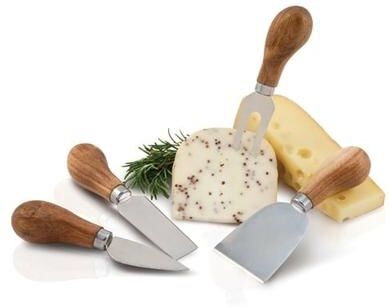
Twine Rustic Farmhouse: Gourmet Cheese KnivesThe Rustic Farmhouse Gourmet Cheese Set is a beautiful collection of four assorted cheese tools. With stainless steel blades and rustic elegant acacia wood handles, this handsome set is perfect for entertaining, gift-giving and picnics!23,19 $*Shipping: 0,00 $Secure redirect to the provider
-
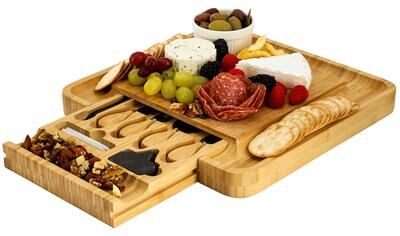
Gourmet Basics by Mikasa Mikasa Gourmet Basics Wine and Charcuterie Serving BoardHost in style with this Gourmet Basics Wine and Charcuterie Serving Board. Beautifully crafted of durable acacia wood, this stunning board is an easy way to serve wine, appetizers, cheese, and more.46,79 $*Shipping: 0,00 $Secure redirect to the provider


-
What causes bruising when hula hooping?
Bruising when hula hooping can be caused by the repetitive impact of the hula hoop against the body, particularly in areas where the hoop makes contact with the skin. The force and speed of the hula hoop can lead to bruising, especially if the hoop is not properly sized or if the technique is not correct. Additionally, individuals with sensitive or thin skin may be more prone to bruising while hula hooping. **
-
What causes pain when hula hooping?
Pain when hula hooping can be caused by several factors. One common cause is using a hula hoop that is too heavy or too large, which can strain the muscles and lead to discomfort. Additionally, improper technique or overexertion can also lead to pain, particularly in the lower back, hips, or abdomen. It's important to use a properly sized hula hoop and to practice good form to minimize the risk of pain while hula hooping. **
-
What causes bruises when hula hooping?
Bruises can occur when hula hooping due to the repetitive impact of the hoop against the body, especially if the hoop is heavy or if the hooping session is particularly vigorous. The force of the hoop spinning around the body can lead to small blood vessels breaking under the skin, resulting in bruising. Additionally, improper technique or using a hoop that is too large or too small for your body can also increase the likelihood of bruising while hula hooping. **
-
'How do I stop hula hooping?'
To stop hula hooping, simply slow down the movement of your hips and allow the hula hoop to gradually come to a stop. You can also gently guide the hoop with your hands to help it slow down and come to a complete stop. Once the hoop has stopped, you can bend down and pick it up from the ground. Remember to always listen to your body and take breaks if you start to feel dizzy or fatigued. **


Is hula hooping really that effective?
Yes, hula hooping can be an effective form of exercise. It provides a full-body workout, engaging the core, hips, and legs, and can help improve balance and coordination. Hula hooping also increases heart rate and can be a fun way to burn calories and improve cardiovascular fitness. Additionally, it can be a low-impact exercise, making it accessible to people of various fitness levels. **
How does hula-hooping affect thrombosis?
Hula-hooping can have a positive effect on thrombosis by promoting circulation and reducing the risk of blood clots. The rhythmic movement of hula-hooping helps to improve blood flow and prevent the pooling of blood in the lower extremities, which can contribute to the formation of blood clots. Additionally, regular physical activity like hula-hooping can help maintain a healthy weight and reduce the risk of obesity, which is a risk factor for thrombosis. Overall, hula-hooping can be a fun and effective way to promote cardiovascular health and reduce the risk of thrombosis. **
Top-Angebote
Products related to Hooping:
-
Twine Rustic Farmhouse: Gourmet Cheese KnivesThe Rustic Farmhouse Gourmet Cheese Set is a beautiful collection of four assorted cheese tools. With stainless steel blades and rustic elegant acacia wood handles, this handsome set is perfect for entertaining, gift-giving and picnics!23,19 $*Shipping: 0,00 $Secure redirect to the provider
-
Gourmet Basics by Mikasa Mikasa Gourmet Basics Wine and Charcuterie Serving BoardHost in style with this Gourmet Basics Wine and Charcuterie Serving Board. Beautifully crafted of durable acacia wood, this stunning board is an easy way to serve wine, appetizers, cheese, and more.46,79 $*Shipping: 0,00 $Secure redirect to the provider
-
Does hula hooping help?
Yes, hula hooping can be a fun and effective way to improve cardiovascular fitness, core strength, and coordination. It can also help with weight loss and toning muscles, especially in the abdominal area. Regular hula hooping can provide a low-impact workout that is suitable for people of all fitness levels. **
-
Which muscles does hula hooping train?
Hula hooping primarily targets the core muscles, including the abdominals, obliques, and lower back muscles, as these muscles are responsible for the rotational movement of the hips. Additionally, hula hooping can also engage muscles in the legs, especially the quadriceps and hamstrings, as they help stabilize the body while hooping. Overall, hula hooping is a fun and effective way to strengthen and tone multiple muscle groups simultaneously. **
-
What causes bruising when hula hooping?
Bruising when hula hooping can be caused by the repetitive impact of the hula hoop against the body, particularly in areas where the hoop makes contact with the skin. The force and speed of the hula hoop can lead to bruising, especially if the hoop is not properly sized or if the technique is not correct. Additionally, individuals with sensitive or thin skin may be more prone to bruising while hula hooping. **
-
What causes pain when hula hooping?
Pain when hula hooping can be caused by several factors. One common cause is using a hula hoop that is too heavy or too large, which can strain the muscles and lead to discomfort. Additionally, improper technique or overexertion can also lead to pain, particularly in the lower back, hips, or abdomen. It's important to use a properly sized hula hoop and to practice good form to minimize the risk of pain while hula hooping. **
Similar search terms for Hooping
-
What causes bruises when hula hooping?
Bruises can occur when hula hooping due to the repetitive impact of the hoop against the body, especially if the hoop is heavy or if the hooping session is particularly vigorous. The force of the hoop spinning around the body can lead to small blood vessels breaking under the skin, resulting in bruising. Additionally, improper technique or using a hoop that is too large or too small for your body can also increase the likelihood of bruising while hula hooping. **
-
'How do I stop hula hooping?'
To stop hula hooping, simply slow down the movement of your hips and allow the hula hoop to gradually come to a stop. You can also gently guide the hoop with your hands to help it slow down and come to a complete stop. Once the hoop has stopped, you can bend down and pick it up from the ground. Remember to always listen to your body and take breaks if you start to feel dizzy or fatigued. **
-
Is hula hooping really that effective?
Yes, hula hooping can be an effective form of exercise. It provides a full-body workout, engaging the core, hips, and legs, and can help improve balance and coordination. Hula hooping also increases heart rate and can be a fun way to burn calories and improve cardiovascular fitness. Additionally, it can be a low-impact exercise, making it accessible to people of various fitness levels. **
-
How does hula-hooping affect thrombosis?
Hula-hooping can have a positive effect on thrombosis by promoting circulation and reducing the risk of blood clots. The rhythmic movement of hula-hooping helps to improve blood flow and prevent the pooling of blood in the lower extremities, which can contribute to the formation of blood clots. Additionally, regular physical activity like hula-hooping can help maintain a healthy weight and reduce the risk of obesity, which is a risk factor for thrombosis. Overall, hula-hooping can be a fun and effective way to promote cardiovascular health and reduce the risk of thrombosis. **
* All prices are inclusive of VAT and, if applicable, plus shipping costs. The offer information is based on the details provided by the respective shop and is updated through automated processes. Real-time updates do not occur, so deviations can occur in individual cases. ** Note: Parts of this content were created by AI.