Buy delicatessen.eu ?
We are moving the project
delicatessen.eu .
Are you interested in purchasing the domain
delicatessen.eu ?
domain@kv-gmbh.de · 0541-91531010
Buy delicatessen.eu ?
Is Galicia a state in Spain?
No, Galicia is not a state in Spain. Galicia is an autonomous community located in the northwest region of Spain. It has its own regional government and distinct cultural identity, but it is not considered a separate state within Spain. **
Is Galicia a federal state in Spain?
No, Galicia is not a federal state in Spain. Spain is a unitary state with a high level of decentralization, meaning that it is divided into autonomous communities with varying degrees of self-governance. Galicia is one of these autonomous communities, along with regions like Catalonia and the Basque Country. While Galicia has its own regional government and parliament, it does not have the same level of autonomy as a federal state would. **

Similar search terms for Galicia
Top-Angebote
Products related to Galicia:
-
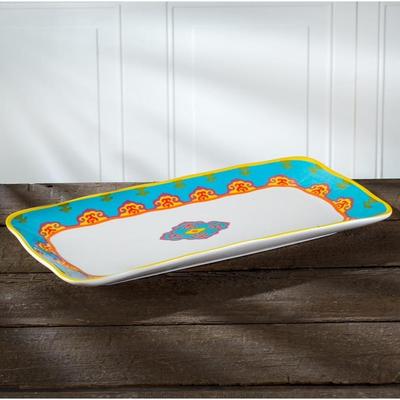
"Euro Ceramica Galicia 15.8"" Rectangular Serving Tray Appitizer Platter - 15.83 in. x 7.88 in. x 1.38 in."The eccentric coloring of the Galicia design is reminiscent of the vivid colors appreciated in the Iberian Peninsula region, the namesake of the design.31,19 $*Shipping: 0,00 $Secure redirect to the provider
-
Can you give me information about Galicia?
Galicia is an autonomous community in the northwest of Spain, known for its rich cultural heritage, stunning landscapes, and delicious seafood. It has a distinct Celtic influence, with its own language, Galician, and traditional music and dance. The region is also famous for its pilgrimage destination, the Cathedral of Santiago de Compostela, which is the endpoint of the Camino de Santiago. Galicia's coastline is dotted with beautiful beaches and charming fishing villages, making it a popular destination for tourists seeking natural beauty and authentic Spanish culture. **
-
What is the typical cultural tradition of Galicia?
The typical cultural tradition of Galicia is deeply rooted in its Celtic heritage, which is evident in its music, dance, and language. Galicia is known for its traditional music, particularly the use of bagpipes, and its distinctive form of folk dance known as the muñeira. The region also has a strong tradition of religious pilgrimage, with the famous Camino de Santiago attracting thousands of pilgrims each year. Additionally, Galicia is known for its unique language, Galician, which is closely related to Portuguese and has its own literary tradition. Overall, the cultural tradition of Galicia is characterized by its rich history, strong sense of identity, and vibrant artistic expression. **
-
Do Spanish and Polish Galicia have anything to do with each other?
Yes, Spanish and Polish Galicia have historical connections. Both regions were once part of the Austro-Hungarian Empire and were known as Galicia. However, they are located in different parts of Europe, with Spanish Galicia in the northwest of Spain and Polish Galicia in the southeast of Poland. The name "Galicia" is derived from the medieval Slavic word for "borderland," reflecting the regions' historical position at the crossroads of different cultures and empires. Despite their shared historical name, Spanish and Polish Galicia have developed distinct cultural identities over time. **
-
Why are antipasti called antipasti?
The term "antipasti" comes from Italian, where "anti" means "before" and "pasti" means "meals" or "courses." Therefore, "antipasti" literally translates to "before the meal" or "before the courses." This name reflects the traditional Italian practice of serving small, flavorful dishes before the main meal to stimulate the appetite and prepare the palate for the upcoming courses. Antipasti typically include a variety of cured meats, cheeses, olives, and marinated vegetables. **
How is antipasti stored?
Antipasti is typically stored in the refrigerator to keep it fresh. It should be kept in a sealed container or covered with plastic wrap to prevent it from drying out or absorbing other odors from the fridge. Some antipasti, such as marinated vegetables or cured meats, can also be stored in airtight jars or vacuum-sealed bags to maintain their flavor and texture. It's important to follow any specific storage instructions provided for the particular type of antipasti you have. **
Can you eat antipasti while breastfeeding?
Yes, you can eat antipasti while breastfeeding. Antipasti typically consists of various types of cured meats, cheeses, olives, and vegetables, which are all safe to consume while breastfeeding. However, it's important to be mindful of any potential food allergies or sensitivities that your baby may have. If you notice any adverse reactions in your baby after consuming antipasti, it's best to consult with a healthcare professional. **
Top-Angebote
Products related to Galicia:
-
"Euro Ceramica Galicia 15.8"" Rectangular Serving Tray Appitizer Platter - 15.83 in. x 7.88 in. x 1.38 in."The eccentric coloring of the Galicia design is reminiscent of the vivid colors appreciated in the Iberian Peninsula region, the namesake of the design.31,19 $*Shipping: 0,00 $Secure redirect to the provider
-
Is Galicia a state in Spain?
No, Galicia is not a state in Spain. Galicia is an autonomous community located in the northwest region of Spain. It has its own regional government and distinct cultural identity, but it is not considered a separate state within Spain. **
-
Is Galicia a federal state in Spain?
No, Galicia is not a federal state in Spain. Spain is a unitary state with a high level of decentralization, meaning that it is divided into autonomous communities with varying degrees of self-governance. Galicia is one of these autonomous communities, along with regions like Catalonia and the Basque Country. While Galicia has its own regional government and parliament, it does not have the same level of autonomy as a federal state would. **
-
Can you give me information about Galicia?
Galicia is an autonomous community in the northwest of Spain, known for its rich cultural heritage, stunning landscapes, and delicious seafood. It has a distinct Celtic influence, with its own language, Galician, and traditional music and dance. The region is also famous for its pilgrimage destination, the Cathedral of Santiago de Compostela, which is the endpoint of the Camino de Santiago. Galicia's coastline is dotted with beautiful beaches and charming fishing villages, making it a popular destination for tourists seeking natural beauty and authentic Spanish culture. **
-
What is the typical cultural tradition of Galicia?
The typical cultural tradition of Galicia is deeply rooted in its Celtic heritage, which is evident in its music, dance, and language. Galicia is known for its traditional music, particularly the use of bagpipes, and its distinctive form of folk dance known as the muñeira. The region also has a strong tradition of religious pilgrimage, with the famous Camino de Santiago attracting thousands of pilgrims each year. Additionally, Galicia is known for its unique language, Galician, which is closely related to Portuguese and has its own literary tradition. Overall, the cultural tradition of Galicia is characterized by its rich history, strong sense of identity, and vibrant artistic expression. **
Similar search terms for Galicia
-
Do Spanish and Polish Galicia have anything to do with each other?
Yes, Spanish and Polish Galicia have historical connections. Both regions were once part of the Austro-Hungarian Empire and were known as Galicia. However, they are located in different parts of Europe, with Spanish Galicia in the northwest of Spain and Polish Galicia in the southeast of Poland. The name "Galicia" is derived from the medieval Slavic word for "borderland," reflecting the regions' historical position at the crossroads of different cultures and empires. Despite their shared historical name, Spanish and Polish Galicia have developed distinct cultural identities over time. **
-
Why are antipasti called antipasti?
The term "antipasti" comes from Italian, where "anti" means "before" and "pasti" means "meals" or "courses." Therefore, "antipasti" literally translates to "before the meal" or "before the courses." This name reflects the traditional Italian practice of serving small, flavorful dishes before the main meal to stimulate the appetite and prepare the palate for the upcoming courses. Antipasti typically include a variety of cured meats, cheeses, olives, and marinated vegetables. **
-
How is antipasti stored?
Antipasti is typically stored in the refrigerator to keep it fresh. It should be kept in a sealed container or covered with plastic wrap to prevent it from drying out or absorbing other odors from the fridge. Some antipasti, such as marinated vegetables or cured meats, can also be stored in airtight jars or vacuum-sealed bags to maintain their flavor and texture. It's important to follow any specific storage instructions provided for the particular type of antipasti you have. **
-
Can you eat antipasti while breastfeeding?
Yes, you can eat antipasti while breastfeeding. Antipasti typically consists of various types of cured meats, cheeses, olives, and vegetables, which are all safe to consume while breastfeeding. However, it's important to be mindful of any potential food allergies or sensitivities that your baby may have. If you notice any adverse reactions in your baby after consuming antipasti, it's best to consult with a healthcare professional. **
* All prices are inclusive of VAT and, if applicable, plus shipping costs. The offer information is based on the details provided by the respective shop and is updated through automated processes. Real-time updates do not occur, so deviations can occur in individual cases. ** Note: Parts of this content were created by AI.