Buy delicatessen.eu ?
We are moving the project
delicatessen.eu .
Are you interested in purchasing the domain
delicatessen.eu ?
domain@kv-gmbh.de · 0541-91531010
Buy delicatessen.eu ?
Why are antipasti called antipasti?
The term "antipasti" comes from Italian, where "anti" means "before" and "pasti" means "meals" or "courses." Therefore, "antipasti" literally translates to "before the meal" or "before the courses." This name reflects the traditional Italian practice of serving small, flavorful dishes before the main meal to stimulate the appetite and prepare the palate for the upcoming courses. Antipasti typically include a variety of cured meats, cheeses, olives, and marinated vegetables. **
Why do I try it every time, even though I don't like olives?
You may try olives every time because you are open to the possibility of your taste preferences changing. Additionally, you might feel pressured to try them in social situations or want to challenge yourself to see if your taste buds have changed. It's also possible that you want to give olives another chance in the hopes of finding a way to enjoy them, or you simply want to confirm that you still don't like them. **

Similar search terms for Though
Top-Angebote
Products related to Though:
-
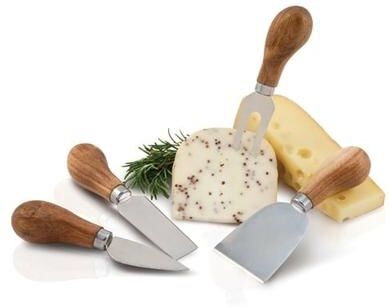
Twine Rustic Farmhouse: Gourmet Cheese KnivesThe Rustic Farmhouse Gourmet Cheese Set is a beautiful collection of four assorted cheese tools. With stainless steel blades and rustic elegant acacia wood handles, this handsome set is perfect for entertaining, gift-giving and picnics!23,19 $*Shipping: 0,00 $Secure redirect to the provider
-
How is antipasti stored?
Antipasti is typically stored in the refrigerator to keep it fresh. It should be kept in a sealed container or covered with plastic wrap to prevent it from drying out or absorbing other odors from the fridge. Some antipasti, such as marinated vegetables or cured meats, can also be stored in airtight jars or vacuum-sealed bags to maintain their flavor and texture. It's important to follow any specific storage instructions provided for the particular type of antipasti you have. **
-
Why are smelly feet called "cheese feet" even though they don't actually smell like cheese?
The term "cheese feet" is likely used as a humorous or playful way to describe the smell of feet that is often associated with the pungent odor of certain types of cheese. The comparison may be made because both can have a strong, distinct smell that some people find unpleasant. Additionally, the term may have originated as a way to make light of a situation that can be embarrassing or uncomfortable for some people. Overall, it's a lighthearted and colloquial way to describe smelly feet. **
-
Is the cheese still good even though the packaging is torn?
If the packaging of the cheese is torn, it can expose the cheese to air and potentially harmful bacteria, which can lead to spoilage. It is best to inspect the cheese for any signs of mold, off smells, or unusual texture before consuming it. If the cheese appears to be unaffected and still smells and tastes fine, it should be safe to eat. However, it is always recommended to exercise caution when consuming food with damaged packaging. **
-
Can you eat antipasti while breastfeeding?
Yes, you can eat antipasti while breastfeeding. Antipasti typically consists of various types of cured meats, cheeses, olives, and vegetables, which are all safe to consume while breastfeeding. However, it's important to be mindful of any potential food allergies or sensitivities that your baby may have. If you notice any adverse reactions in your baby after consuming antipasti, it's best to consult with a healthcare professional. **
Why is cheesecake called cheesecake even though it doesn't contain any cheese?
Cheesecake is called cheesecake because the main ingredient in the filling is cream cheese, which is a type of cheese. While it may not contain traditional cheese like cheddar or mozzarella, cream cheese is still a type of cheese made from milk and cream. The name "cheesecake" reflects the primary ingredient used in the dessert, even though it may not align with people's expectations of what cheese should be in a dessert. **
Do you really have to eat cheese even though I hate it?
No, you don't have to eat cheese if you hate it. Everyone has their own food preferences and it's important to respect that. There are plenty of other delicious and nutritious foods to enjoy, so there's no need to force yourself to eat something you don't like. Let's find a meal that we can both enjoy! **
Top-Angebote
Products related to Though:
-
Twine Rustic Farmhouse: Gourmet Cheese KnivesThe Rustic Farmhouse Gourmet Cheese Set is a beautiful collection of four assorted cheese tools. With stainless steel blades and rustic elegant acacia wood handles, this handsome set is perfect for entertaining, gift-giving and picnics!23,19 $*Shipping: 0,00 $Secure redirect to the provider
-
Why are antipasti called antipasti?
The term "antipasti" comes from Italian, where "anti" means "before" and "pasti" means "meals" or "courses." Therefore, "antipasti" literally translates to "before the meal" or "before the courses." This name reflects the traditional Italian practice of serving small, flavorful dishes before the main meal to stimulate the appetite and prepare the palate for the upcoming courses. Antipasti typically include a variety of cured meats, cheeses, olives, and marinated vegetables. **
-
Why do I try it every time, even though I don't like olives?
You may try olives every time because you are open to the possibility of your taste preferences changing. Additionally, you might feel pressured to try them in social situations or want to challenge yourself to see if your taste buds have changed. It's also possible that you want to give olives another chance in the hopes of finding a way to enjoy them, or you simply want to confirm that you still don't like them. **
-
How is antipasti stored?
Antipasti is typically stored in the refrigerator to keep it fresh. It should be kept in a sealed container or covered with plastic wrap to prevent it from drying out or absorbing other odors from the fridge. Some antipasti, such as marinated vegetables or cured meats, can also be stored in airtight jars or vacuum-sealed bags to maintain their flavor and texture. It's important to follow any specific storage instructions provided for the particular type of antipasti you have. **
-
Why are smelly feet called "cheese feet" even though they don't actually smell like cheese?
The term "cheese feet" is likely used as a humorous or playful way to describe the smell of feet that is often associated with the pungent odor of certain types of cheese. The comparison may be made because both can have a strong, distinct smell that some people find unpleasant. Additionally, the term may have originated as a way to make light of a situation that can be embarrassing or uncomfortable for some people. Overall, it's a lighthearted and colloquial way to describe smelly feet. **
Similar search terms for Though
-
Is the cheese still good even though the packaging is torn?
If the packaging of the cheese is torn, it can expose the cheese to air and potentially harmful bacteria, which can lead to spoilage. It is best to inspect the cheese for any signs of mold, off smells, or unusual texture before consuming it. If the cheese appears to be unaffected and still smells and tastes fine, it should be safe to eat. However, it is always recommended to exercise caution when consuming food with damaged packaging. **
-
Can you eat antipasti while breastfeeding?
Yes, you can eat antipasti while breastfeeding. Antipasti typically consists of various types of cured meats, cheeses, olives, and vegetables, which are all safe to consume while breastfeeding. However, it's important to be mindful of any potential food allergies or sensitivities that your baby may have. If you notice any adverse reactions in your baby after consuming antipasti, it's best to consult with a healthcare professional. **
-
Why is cheesecake called cheesecake even though it doesn't contain any cheese?
Cheesecake is called cheesecake because the main ingredient in the filling is cream cheese, which is a type of cheese. While it may not contain traditional cheese like cheddar or mozzarella, cream cheese is still a type of cheese made from milk and cream. The name "cheesecake" reflects the primary ingredient used in the dessert, even though it may not align with people's expectations of what cheese should be in a dessert. **
-
Do you really have to eat cheese even though I hate it?
No, you don't have to eat cheese if you hate it. Everyone has their own food preferences and it's important to respect that. There are plenty of other delicious and nutritious foods to enjoy, so there's no need to force yourself to eat something you don't like. Let's find a meal that we can both enjoy! **
* All prices are inclusive of VAT and, if applicable, plus shipping costs. The offer information is based on the details provided by the respective shop and is updated through automated processes. Real-time updates do not occur, so deviations can occur in individual cases. ** Note: Parts of this content were created by AI.