Buy delicatessen.eu ?
We are moving the project
delicatessen.eu .
Are you interested in purchasing the domain
delicatessen.eu ?
domain@kv-gmbh.de · 0541-91531010
Buy delicatessen.eu ?
How do the semi-nomadic and semi-nomadic people live?
Semi-nomadic and semi-nomadic people live a lifestyle that combines elements of both settled and nomadic living. They may have a home base or settlement where they live for part of the year, engaging in agriculture or other settled activities. However, they also engage in nomadic practices such as herding animals or seasonal migration to take advantage of different resources. This lifestyle allows them to adapt to changing environmental conditions and maintain a balance between settled and nomadic ways of life. **
What are nomadic peoples?
Nomadic peoples are communities or groups of people who do not have a fixed home and constantly move from place to place in search of resources such as food, water, and shelter. They typically live in temporary dwellings such as tents or portable huts and rely on herding animals or hunting and gathering for their sustenance. Nomadic lifestyles have been practiced for thousands of years by various cultures around the world, adapting to different environments and climates. **


Similar search terms for Nomadic
Top-Angebote
Products related to Nomadic:
-
Style Haven Adelaide Old World Nomadic Beige/ Gold Wool Blend Area Rug-Subtle Global Texture with Contemporary Warmth This contemporary global-inspired rug blends a soft medallion and geometric layout in creamy ivory, soft gray, and mustard yellow.162,49 $*Shipping: 0,00 $Secure redirect to the provider
-
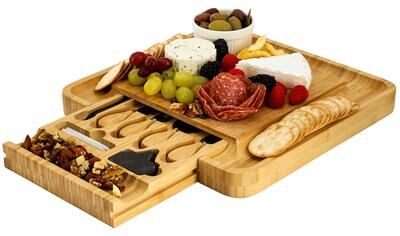
Gourmet Basics by Mikasa Mikasa Gourmet Basics Wine and Charcuterie Serving BoardHost in style with this Gourmet Basics Wine and Charcuterie Serving Board. Beautifully crafted of durable acacia wood, this stunning board is an easy way to serve wine, appetizers, cheese, and more.46,79 $*Shipping: 0,00 $Secure redirect to the provider




-
What is nomadic livestock farming?
Nomadic livestock farming is a form of animal husbandry where herders move their livestock from one grazing area to another in search of fresh pasture and water. This practice is common in arid and semi-arid regions where vegetation is sparse and unpredictable. Nomadic herders rely on traditional knowledge and sustainable practices to ensure the well-being of their animals and to maintain a balance with the environment. This lifestyle has been practiced for centuries and is an integral part of the cultural identity of many communities around the world. **
-
Were there nomadic Germanic tribes?
Yes, there were nomadic Germanic tribes. The Germanic peoples were originally semi-nomadic, moving from place to place in search of better land for farming and grazing. They were known for their mobile lifestyle and often traveled with their herds of animals. However, as they settled in different regions of Europe, some Germanic tribes became more sedentary and established permanent settlements. **
-
What are nomadic horseback riding peoples?
Nomadic horseback riding peoples are groups of people who rely on horses for transportation, hunting, and herding livestock as they move from place to place in search of resources. These groups are typically semi-nomadic, meaning they have a home base but also travel seasonally to different areas. They have a deep connection to their horses and often have a unique way of life centered around horsemanship and equestrian skills. Examples of nomadic horseback riding peoples include the Mongols, Bedouins, and Native American tribes like the Comanche. **
-
Are budgerigars sedentary birds, migratory birds, or nomadic birds?
Budgerigars are considered nomadic birds. They are known to move in search of food and water, and their movements are often influenced by changes in weather and resource availability. While they do not have a set migration pattern like some bird species, they are not sedentary and can cover large distances in search of suitable habitats. **
Why are antipasti called antipasti?
The term "antipasti" comes from Italian, where "anti" means "before" and "pasti" means "meals" or "courses." Therefore, "antipasti" literally translates to "before the meal" or "before the courses." This name reflects the traditional Italian practice of serving small, flavorful dishes before the main meal to stimulate the appetite and prepare the palate for the upcoming courses. Antipasti typically include a variety of cured meats, cheeses, olives, and marinated vegetables. **
Which people belong to modern nomads and what are the advantages and disadvantages of the nomadic lifestyle?
Modern nomads can include digital nomads, van lifers, and people who travel frequently for work or leisure. The advantages of the nomadic lifestyle include the freedom to explore new places, flexibility in work and living arrangements, and the opportunity to experience different cultures. However, the disadvantages can include instability, lack of a permanent community, and the challenges of finding consistent work and housing. Overall, the nomadic lifestyle offers a unique and adventurous way of living, but it also comes with its own set of challenges. **
Top-Angebote
Products related to Nomadic:
-
Style Haven Kellan Vintage Nomadic Green/ Beige Area RugNatural Motif, Soft Finish Stylized tree shapes line up in soft green and beige, framed by a light border for balance. With its understated nature theme and plush feel, it brings nature inspired warmth to Scandinavian, contemporary, or minimalist...853,99 $*Shipping: 0,00 $Secure redirect to the provider
-
Style Haven Adelaide Old World Nomadic Beige/ Gold Wool Blend Area Rug-Subtle Global Texture with Contemporary Warmth This contemporary global-inspired rug blends a soft medallion and geometric layout in creamy ivory, soft gray, and mustard yellow.162,49 $*Shipping: 0,00 $Secure redirect to the provider
-
How do the semi-nomadic and semi-nomadic people live?
Semi-nomadic and semi-nomadic people live a lifestyle that combines elements of both settled and nomadic living. They may have a home base or settlement where they live for part of the year, engaging in agriculture or other settled activities. However, they also engage in nomadic practices such as herding animals or seasonal migration to take advantage of different resources. This lifestyle allows them to adapt to changing environmental conditions and maintain a balance between settled and nomadic ways of life. **
-
What are nomadic peoples?
Nomadic peoples are communities or groups of people who do not have a fixed home and constantly move from place to place in search of resources such as food, water, and shelter. They typically live in temporary dwellings such as tents or portable huts and rely on herding animals or hunting and gathering for their sustenance. Nomadic lifestyles have been practiced for thousands of years by various cultures around the world, adapting to different environments and climates. **
-
What is nomadic livestock farming?
Nomadic livestock farming is a form of animal husbandry where herders move their livestock from one grazing area to another in search of fresh pasture and water. This practice is common in arid and semi-arid regions where vegetation is sparse and unpredictable. Nomadic herders rely on traditional knowledge and sustainable practices to ensure the well-being of their animals and to maintain a balance with the environment. This lifestyle has been practiced for centuries and is an integral part of the cultural identity of many communities around the world. **
-
Were there nomadic Germanic tribes?
Yes, there were nomadic Germanic tribes. The Germanic peoples were originally semi-nomadic, moving from place to place in search of better land for farming and grazing. They were known for their mobile lifestyle and often traveled with their herds of animals. However, as they settled in different regions of Europe, some Germanic tribes became more sedentary and established permanent settlements. **
Similar search terms for Nomadic
-
Gourmet Basics by Mikasa Mikasa Gourmet Basics Wine and Charcuterie Serving BoardHost in style with this Gourmet Basics Wine and Charcuterie Serving Board. Beautifully crafted of durable acacia wood, this stunning board is an easy way to serve wine, appetizers, cheese, and more.46,79 $*Shipping: 0,00 $Secure redirect to the provider
-
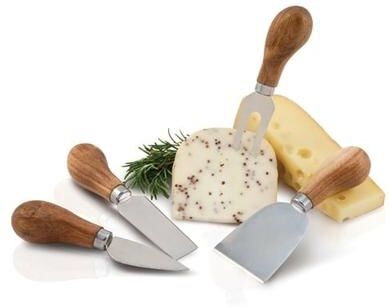
Twine Rustic Farmhouse: Gourmet Cheese KnivesThe Rustic Farmhouse Gourmet Cheese Set is a beautiful collection of four assorted cheese tools. With stainless steel blades and rustic elegant acacia wood handles, this handsome set is perfect for entertaining, gift-giving and picnics!23,19 $*Shipping: 0,00 $Secure redirect to the provider
-
What are nomadic horseback riding peoples?
Nomadic horseback riding peoples are groups of people who rely on horses for transportation, hunting, and herding livestock as they move from place to place in search of resources. These groups are typically semi-nomadic, meaning they have a home base but also travel seasonally to different areas. They have a deep connection to their horses and often have a unique way of life centered around horsemanship and equestrian skills. Examples of nomadic horseback riding peoples include the Mongols, Bedouins, and Native American tribes like the Comanche. **
-
Are budgerigars sedentary birds, migratory birds, or nomadic birds?
Budgerigars are considered nomadic birds. They are known to move in search of food and water, and their movements are often influenced by changes in weather and resource availability. While they do not have a set migration pattern like some bird species, they are not sedentary and can cover large distances in search of suitable habitats. **
-
Why are antipasti called antipasti?
The term "antipasti" comes from Italian, where "anti" means "before" and "pasti" means "meals" or "courses." Therefore, "antipasti" literally translates to "before the meal" or "before the courses." This name reflects the traditional Italian practice of serving small, flavorful dishes before the main meal to stimulate the appetite and prepare the palate for the upcoming courses. Antipasti typically include a variety of cured meats, cheeses, olives, and marinated vegetables. **
-
Which people belong to modern nomads and what are the advantages and disadvantages of the nomadic lifestyle?
Modern nomads can include digital nomads, van lifers, and people who travel frequently for work or leisure. The advantages of the nomadic lifestyle include the freedom to explore new places, flexibility in work and living arrangements, and the opportunity to experience different cultures. However, the disadvantages can include instability, lack of a permanent community, and the challenges of finding consistent work and housing. Overall, the nomadic lifestyle offers a unique and adventurous way of living, but it also comes with its own set of challenges. **
* All prices are inclusive of VAT and, if applicable, plus shipping costs. The offer information is based on the details provided by the respective shop and is updated through automated processes. Real-time updates do not occur, so deviations can occur in individual cases. ** Note: Parts of this content were created by AI.