Buy delicatessen.eu ?
We are moving the project
delicatessen.eu .
Are you interested in purchasing the domain
delicatessen.eu ?
domain@kv-gmbh.de · 0541-91531010
Buy delicatessen.eu ?
Is olive oil really made from olives?
Yes, olive oil is indeed made from olives. It is extracted from the fruit of the olive tree through a process of pressing or centrifugation. The olives are crushed to release their natural oils, which are then separated from the solids and water. This pure olive oil is then used for cooking, dressing salads, and other culinary purposes. **
From which olives is olive oil made?
Olive oil is made from the fruit of the olive tree, which is called an olive. The olives used for making olive oil can come from different varieties of olive trees, each with its own unique flavor profile. The most common varieties used for olive oil production include Arbequina, Picual, Koroneiki, and Hojiblanca. The flavor, aroma, and quality of the olive oil can vary depending on the type of olives used and the region where they are grown. **

Similar search terms for Made
Top-Angebote
Products related to Made:
-
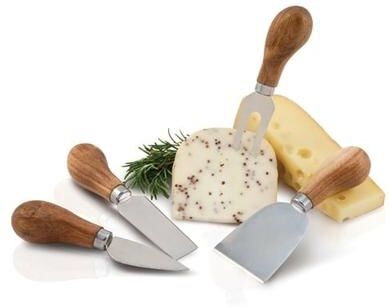
Twine Rustic Farmhouse: Gourmet Cheese KnivesThe Rustic Farmhouse Gourmet Cheese Set is a beautiful collection of four assorted cheese tools. With stainless steel blades and rustic elegant acacia wood handles, this handsome set is perfect for entertaining, gift-giving and picnics!23,19 $*Shipping: 0,00 $Secure redirect to the provider
-
Zodax Rezi Polished Marble Cheese & Charcuterie BoardA solid slab of white marble with its smooth, substantial design features a round shape accentuated by natural, unique marble veining, the Rezi Cheese Board is minimalist in their design, but serves as a diverse kitchen tool.157,50 $*Shipping: 0,00 $Secure redirect to the provider


-
How is cream cheese made?
Cream cheese is made by combining milk and cream with a lactic acid bacteria culture. This mixture is allowed to ferment, which causes the milk proteins to coagulate and form curds. The curds are then drained and pressed to remove excess whey, resulting in a thick and creamy cheese. Salt and other flavorings may be added before the cream cheese is packaged and refrigerated for consumption. **
-
How is grated hard cheese made?
Grated hard cheese is made by first aging the cheese for a specific period of time to develop its flavor and texture. Once the cheese has aged, it is then grated using a cheese grater or a food processor with a grating attachment. The cheese is grated into small, uniform pieces, which can then be used to sprinkle over dishes or incorporate into recipes. Grated hard cheese is a convenient way to add flavor and texture to a variety of dishes. **
-
How is cheese made from pasteurized milk?
Cheese made from pasteurized milk involves several steps. First, the milk is heated to a specific temperature to kill any harmful bacteria. Then, a starter culture of bacteria is added to the milk to begin the fermentation process. Rennet, an enzyme, is then added to help coagulate the milk and form curds. The curds are then cut, drained, and pressed to remove excess whey, resulting in the formation of cheese. Finally, the cheese is aged for a specific period of time to develop its flavor and texture. **
-
How can cheese be made without rennet?
Cheese can be made without rennet by using alternative coagulants such as lemon juice, vinegar, or citric acid. These ingredients help to curdle the milk and separate the curds from the whey, similar to the process of using rennet. Some cheeses, like paneer or ricotta, traditionally do not require rennet and can be made using acidic ingredients to curdle the milk. Vegan cheese options also use plant-based enzymes or cultures to coagulate the milk proteins without the need for animal rennet. **


How is cheese made from sour milk?
Cheese can be made from sour milk by first heating the milk to kill any harmful bacteria. Then, a starter culture of bacteria is added to the milk to help ferment it and create lactic acid. This process causes the milk to sour and thicken. Rennet, an enzyme, is then added to help coagulate the milk proteins and form curds. The curds are then separated from the whey, pressed, and aged to create cheese. **
Why are antipasti called antipasti?
The term "antipasti" comes from Italian, where "anti" means "before" and "pasti" means "meals" or "courses." Therefore, "antipasti" literally translates to "before the meal" or "before the courses." This name reflects the traditional Italian practice of serving small, flavorful dishes before the main meal to stimulate the appetite and prepare the palate for the upcoming courses. Antipasti typically include a variety of cured meats, cheeses, olives, and marinated vegetables. **
Top-Angebote
Products related to Made:
-
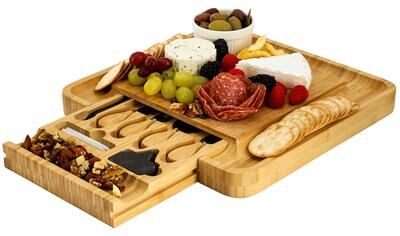
Gourmet Basics by Mikasa Mikasa Gourmet Basics Wine and Charcuterie Serving BoardHost in style with this Gourmet Basics Wine and Charcuterie Serving Board. Beautifully crafted of durable acacia wood, this stunning board is an easy way to serve wine, appetizers, cheese, and more.46,79 $*Shipping: 0,00 $Secure redirect to the provider
-
Twine Rustic Farmhouse: Gourmet Cheese KnivesThe Rustic Farmhouse Gourmet Cheese Set is a beautiful collection of four assorted cheese tools. With stainless steel blades and rustic elegant acacia wood handles, this handsome set is perfect for entertaining, gift-giving and picnics!23,19 $*Shipping: 0,00 $Secure redirect to the provider
-
Is olive oil really made from olives?
Yes, olive oil is indeed made from olives. It is extracted from the fruit of the olive tree through a process of pressing or centrifugation. The olives are crushed to release their natural oils, which are then separated from the solids and water. This pure olive oil is then used for cooking, dressing salads, and other culinary purposes. **
-
From which olives is olive oil made?
Olive oil is made from the fruit of the olive tree, which is called an olive. The olives used for making olive oil can come from different varieties of olive trees, each with its own unique flavor profile. The most common varieties used for olive oil production include Arbequina, Picual, Koroneiki, and Hojiblanca. The flavor, aroma, and quality of the olive oil can vary depending on the type of olives used and the region where they are grown. **
-
How is cream cheese made?
Cream cheese is made by combining milk and cream with a lactic acid bacteria culture. This mixture is allowed to ferment, which causes the milk proteins to coagulate and form curds. The curds are then drained and pressed to remove excess whey, resulting in a thick and creamy cheese. Salt and other flavorings may be added before the cream cheese is packaged and refrigerated for consumption. **
-
How is grated hard cheese made?
Grated hard cheese is made by first aging the cheese for a specific period of time to develop its flavor and texture. Once the cheese has aged, it is then grated using a cheese grater or a food processor with a grating attachment. The cheese is grated into small, uniform pieces, which can then be used to sprinkle over dishes or incorporate into recipes. Grated hard cheese is a convenient way to add flavor and texture to a variety of dishes. **
Similar search terms for Made
-
Zodax Rezi Polished Marble Cheese & Charcuterie BoardA solid slab of white marble with its smooth, substantial design features a round shape accentuated by natural, unique marble veining, the Rezi Cheese Board is minimalist in their design, but serves as a diverse kitchen tool.157,50 $*Shipping: 0,00 $Secure redirect to the provider
-
Zodax Sargasso Marble Cheese and Charcuterie BoardPolished white marble makes a bright and elegant base for presenting appetizers at the buffet table or home bar. The simple design of this rectangular cheese board highlights the beauty of the durable stone.297,50 $*Shipping: 0,00 $Secure redirect to the provider
-
How is cheese made from pasteurized milk?
Cheese made from pasteurized milk involves several steps. First, the milk is heated to a specific temperature to kill any harmful bacteria. Then, a starter culture of bacteria is added to the milk to begin the fermentation process. Rennet, an enzyme, is then added to help coagulate the milk and form curds. The curds are then cut, drained, and pressed to remove excess whey, resulting in the formation of cheese. Finally, the cheese is aged for a specific period of time to develop its flavor and texture. **
-
How can cheese be made without rennet?
Cheese can be made without rennet by using alternative coagulants such as lemon juice, vinegar, or citric acid. These ingredients help to curdle the milk and separate the curds from the whey, similar to the process of using rennet. Some cheeses, like paneer or ricotta, traditionally do not require rennet and can be made using acidic ingredients to curdle the milk. Vegan cheese options also use plant-based enzymes or cultures to coagulate the milk proteins without the need for animal rennet. **
-
How is cheese made from sour milk?
Cheese can be made from sour milk by first heating the milk to kill any harmful bacteria. Then, a starter culture of bacteria is added to the milk to help ferment it and create lactic acid. This process causes the milk to sour and thicken. Rennet, an enzyme, is then added to help coagulate the milk proteins and form curds. The curds are then separated from the whey, pressed, and aged to create cheese. **
-
Why are antipasti called antipasti?
The term "antipasti" comes from Italian, where "anti" means "before" and "pasti" means "meals" or "courses." Therefore, "antipasti" literally translates to "before the meal" or "before the courses." This name reflects the traditional Italian practice of serving small, flavorful dishes before the main meal to stimulate the appetite and prepare the palate for the upcoming courses. Antipasti typically include a variety of cured meats, cheeses, olives, and marinated vegetables. **
* All prices are inclusive of VAT and, if applicable, plus shipping costs. The offer information is based on the details provided by the respective shop and is updated through automated processes. Real-time updates do not occur, so deviations can occur in individual cases. ** Note: Parts of this content were created by AI.