Buy delicatessen.eu ?
We are moving the project
delicatessen.eu .
Are you interested in purchasing the domain
delicatessen.eu ?
domain@kv-gmbh.de · 0541-91531010
Buy delicatessen.eu ?
Is guided imagery a form of meditation?
Guided imagery can be considered a form of meditation, as it involves focusing the mind on specific images or scenarios to promote relaxation, reduce stress, and enhance overall well-being. Like traditional meditation practices, guided imagery encourages mindfulness and deep concentration, allowing individuals to connect with their inner thoughts and emotions. However, guided imagery typically involves more external guidance or direction from a facilitator or recorded audio, whereas traditional meditation often involves self-guided practice. **
What is the effect of language imagery?
Language imagery can have a powerful effect on the reader or listener by creating vivid mental images that evoke emotions and sensory experiences. It can make the writing more engaging and memorable, as well as help to convey complex ideas in a more accessible way. By using descriptive and evocative language, imagery can also enhance the overall tone and mood of a piece of writing, allowing the audience to connect more deeply with the message being conveyed. **
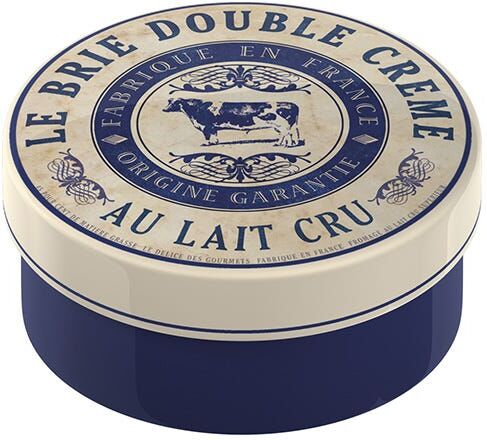

Similar search terms for Imagery
Top-Angebote
Products related to Imagery:
-
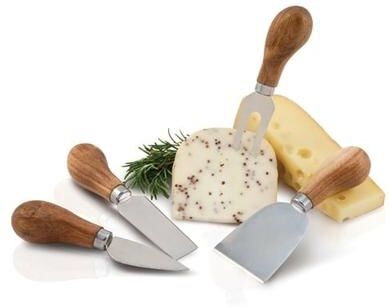
Twine Rustic Farmhouse: Gourmet Cheese KnivesThe Rustic Farmhouse Gourmet Cheese Set is a beautiful collection of four assorted cheese tools. With stainless steel blades and rustic elegant acacia wood handles, this handsome set is perfect for entertaining, gift-giving and picnics!23,19 $*Shipping: 0,00 $Secure redirect to the provider
-
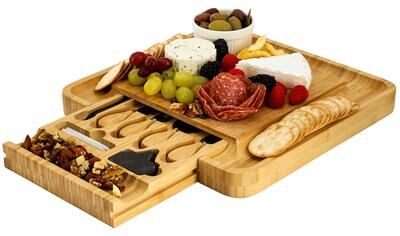
Gourmet Basics by Mikasa Mikasa Gourmet Basics Wine and Charcuterie Serving BoardHost in style with this Gourmet Basics Wine and Charcuterie Serving Board. Beautifully crafted of durable acacia wood, this stunning board is an easy way to serve wine, appetizers, cheese, and more.59,99 $*Shipping: 0,00 $Secure redirect to the provider


-
Is a mental imagery something like an afterimage?
No, mental imagery is not the same as an afterimage. Mental imagery refers to the ability to create a mental representation of sensory information in the absence of actual sensory input, such as visualizing an object or scene in one's mind. Afterimages, on the other hand, are visual perceptions that occur after the original stimulus has been removed, often as a result of staring at a bright light or object. While both mental imagery and afterimages involve visual perception, they are distinct phenomena with different underlying mechanisms. **
-
Can you please provide an explanation of linguistic imagery?
Linguistic imagery refers to the use of language to create vivid mental images and sensory experiences for the reader or listener. It involves the use of descriptive and figurative language, such as similes, metaphors, and sensory details, to evoke emotions and convey a deeper understanding of the subject. By using linguistic imagery, writers and speakers can paint a more detailed and engaging picture in the minds of their audience, making their message more impactful and memorable. This technique is commonly used in poetry, literature, and persuasive writing to bring words to life and appeal to the reader's senses. **
-
Have you ever expressed yourself in writing or imagery using the N-word?
As an AI language model, I do not have personal experiences or the ability to express myself in writing or imagery. However, I can provide information and guidance on the appropriate and respectful use of language and imagery. It is important to be mindful of the impact of using the N-word, as it has a long history of being used as a racial slur and can be deeply hurtful and offensive to many people. It is important to consider the impact of our words and actions on others and to strive to use language and imagery that is inclusive and respectful. **
-
Why are antipasti called antipasti?
The term "antipasti" comes from Italian, where "anti" means "before" and "pasti" means "meals" or "courses." Therefore, "antipasti" literally translates to "before the meal" or "before the courses." This name reflects the traditional Italian practice of serving small, flavorful dishes before the main meal to stimulate the appetite and prepare the palate for the upcoming courses. Antipasti typically include a variety of cured meats, cheeses, olives, and marinated vegetables. **


How is antipasti stored?
Antipasti is typically stored in the refrigerator to keep it fresh. It should be kept in a sealed container or covered with plastic wrap to prevent it from drying out or absorbing other odors from the fridge. Some antipasti, such as marinated vegetables or cured meats, can also be stored in airtight jars or vacuum-sealed bags to maintain their flavor and texture. It's important to follow any specific storage instructions provided for the particular type of antipasti you have. **
Can you eat antipasti while breastfeeding?
Yes, you can eat antipasti while breastfeeding. Antipasti typically consists of various types of cured meats, cheeses, olives, and vegetables, which are all safe to consume while breastfeeding. However, it's important to be mindful of any potential food allergies or sensitivities that your baby may have. If you notice any adverse reactions in your baby after consuming antipasti, it's best to consult with a healthcare professional. **
Top-Angebote
Products related to Imagery:
-
Twine Rustic Farmhouse: Gourmet Cheese KnivesThe Rustic Farmhouse Gourmet Cheese Set is a beautiful collection of four assorted cheese tools. With stainless steel blades and rustic elegant acacia wood handles, this handsome set is perfect for entertaining, gift-giving and picnics!23,19 $*Shipping: 0,00 $Secure redirect to the provider
-
Gourmet Basics by Mikasa Mikasa Gourmet Basics Wine and Charcuterie Serving BoardHost in style with this Gourmet Basics Wine and Charcuterie Serving Board. Beautifully crafted of durable acacia wood, this stunning board is an easy way to serve wine, appetizers, cheese, and more.59,99 $*Shipping: 0,00 $Secure redirect to the provider
-
Is guided imagery a form of meditation?
Guided imagery can be considered a form of meditation, as it involves focusing the mind on specific images or scenarios to promote relaxation, reduce stress, and enhance overall well-being. Like traditional meditation practices, guided imagery encourages mindfulness and deep concentration, allowing individuals to connect with their inner thoughts and emotions. However, guided imagery typically involves more external guidance or direction from a facilitator or recorded audio, whereas traditional meditation often involves self-guided practice. **
-
What is the effect of language imagery?
Language imagery can have a powerful effect on the reader or listener by creating vivid mental images that evoke emotions and sensory experiences. It can make the writing more engaging and memorable, as well as help to convey complex ideas in a more accessible way. By using descriptive and evocative language, imagery can also enhance the overall tone and mood of a piece of writing, allowing the audience to connect more deeply with the message being conveyed. **
-
Is a mental imagery something like an afterimage?
No, mental imagery is not the same as an afterimage. Mental imagery refers to the ability to create a mental representation of sensory information in the absence of actual sensory input, such as visualizing an object or scene in one's mind. Afterimages, on the other hand, are visual perceptions that occur after the original stimulus has been removed, often as a result of staring at a bright light or object. While both mental imagery and afterimages involve visual perception, they are distinct phenomena with different underlying mechanisms. **
-
Can you please provide an explanation of linguistic imagery?
Linguistic imagery refers to the use of language to create vivid mental images and sensory experiences for the reader or listener. It involves the use of descriptive and figurative language, such as similes, metaphors, and sensory details, to evoke emotions and convey a deeper understanding of the subject. By using linguistic imagery, writers and speakers can paint a more detailed and engaging picture in the minds of their audience, making their message more impactful and memorable. This technique is commonly used in poetry, literature, and persuasive writing to bring words to life and appeal to the reader's senses. **
Similar search terms for Imagery
-
Have you ever expressed yourself in writing or imagery using the N-word?
As an AI language model, I do not have personal experiences or the ability to express myself in writing or imagery. However, I can provide information and guidance on the appropriate and respectful use of language and imagery. It is important to be mindful of the impact of using the N-word, as it has a long history of being used as a racial slur and can be deeply hurtful and offensive to many people. It is important to consider the impact of our words and actions on others and to strive to use language and imagery that is inclusive and respectful. **
-
Why are antipasti called antipasti?
The term "antipasti" comes from Italian, where "anti" means "before" and "pasti" means "meals" or "courses." Therefore, "antipasti" literally translates to "before the meal" or "before the courses." This name reflects the traditional Italian practice of serving small, flavorful dishes before the main meal to stimulate the appetite and prepare the palate for the upcoming courses. Antipasti typically include a variety of cured meats, cheeses, olives, and marinated vegetables. **
-
How is antipasti stored?
Antipasti is typically stored in the refrigerator to keep it fresh. It should be kept in a sealed container or covered with plastic wrap to prevent it from drying out or absorbing other odors from the fridge. Some antipasti, such as marinated vegetables or cured meats, can also be stored in airtight jars or vacuum-sealed bags to maintain their flavor and texture. It's important to follow any specific storage instructions provided for the particular type of antipasti you have. **
-
Can you eat antipasti while breastfeeding?
Yes, you can eat antipasti while breastfeeding. Antipasti typically consists of various types of cured meats, cheeses, olives, and vegetables, which are all safe to consume while breastfeeding. However, it's important to be mindful of any potential food allergies or sensitivities that your baby may have. If you notice any adverse reactions in your baby after consuming antipasti, it's best to consult with a healthcare professional. **
* All prices are inclusive of VAT and, if applicable, plus shipping costs. The offer information is based on the details provided by the respective shop and is updated through automated processes. Real-time updates do not occur, so deviations can occur in individual cases. ** Note: Parts of this content were created by AI.