Buy delicatessen.eu ?
We are moving the project
delicatessen.eu .
Are you interested in purchasing the domain
delicatessen.eu ?
domain@kv-gmbh.de · 0541-91531010
Buy delicatessen.eu ?
Why are antipasti called antipasti?
The term "antipasti" comes from Italian, where "anti" means "before" and "pasti" means "meals" or "courses." Therefore, "antipasti" literally translates to "before the meal" or "before the courses." This name reflects the traditional Italian practice of serving small, flavorful dishes before the main meal to stimulate the appetite and prepare the palate for the upcoming courses. Antipasti typically include a variety of cured meats, cheeses, olives, and marinated vegetables. **
Where are the differences between all the types of cheese?
The differences between types of cheese primarily lie in their ingredients, production methods, aging processes, and flavor profiles. For example, soft cheeses like brie and camembert are made with a higher moisture content and have a creamy texture, while hard cheeses like cheddar and parmesan are aged for longer periods and have a firmer texture. Additionally, the type of milk used (cow, goat, sheep) can also impact the taste and texture of the cheese. Each type of cheese has its own unique characteristics that make it distinct from others. **

Similar search terms for Differences
Top-Angebote
Products related to Differences:
-
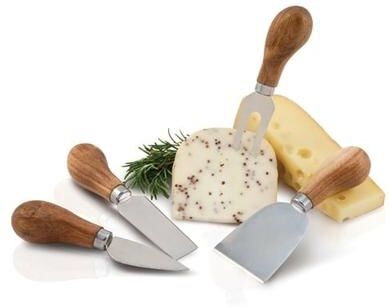
Twine Rustic Farmhouse: Gourmet Cheese KnivesThe Rustic Farmhouse Gourmet Cheese Set is a beautiful collection of four assorted cheese tools. With stainless steel blades and rustic elegant acacia wood handles, this handsome set is perfect for entertaining, gift-giving and picnics!23,19 $*Shipping: 0,00 $Secure redirect to the provider
-
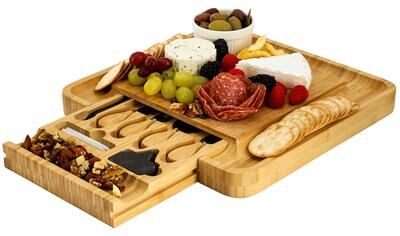
Gourmet Basics by Mikasa Mikasa Gourmet Basics Wine and Charcuterie Serving BoardHost in style with this Gourmet Basics Wine and Charcuterie Serving Board. Beautifully crafted of durable acacia wood, this stunning board is an easy way to serve wine, appetizers, cheese, and more.46,79 $*Shipping: 0,00 $Secure redirect to the provider


-
Where are the differences between all the different types of cheese?
The differences between different types of cheese lie in their ingredients, production methods, aging processes, and flavor profiles. For example, soft cheeses like brie and camembert are made with a higher moisture content and have a creamy texture, while hard cheeses like cheddar and parmesan are aged for longer periods and have a firmer texture. Additionally, the type of milk used (cow, goat, sheep) can also impact the taste and texture of the cheese. Overall, the variations in these factors contribute to the wide range of flavors and textures found in different types of cheese. **
-
What are the taste differences between real feta cheese and the substitute product?
Real feta cheese has a tangy and salty flavor with a crumbly texture, while substitute products often lack the same depth of flavor and can be more rubbery in texture. Real feta is made from sheep's milk or a combination of sheep's and goat's milk, giving it a distinct creamy and rich taste, whereas substitute products are typically made from cow's milk or a combination of cow's and goat's milk, resulting in a milder flavor. Overall, real feta cheese has a more complex and authentic taste compared to its substitute products. **
-
How is antipasti stored?
Antipasti is typically stored in the refrigerator to keep it fresh. It should be kept in a sealed container or covered with plastic wrap to prevent it from drying out or absorbing other odors from the fridge. Some antipasti, such as marinated vegetables or cured meats, can also be stored in airtight jars or vacuum-sealed bags to maintain their flavor and texture. It's important to follow any specific storage instructions provided for the particular type of antipasti you have. **
-
When do I notice differences and what differences do I notice?
You may notice differences when you encounter new situations, meet new people, or try new things. Differences can manifest in various ways such as in opinions, beliefs, cultures, behaviors, or perspectives. These differences can lead to learning opportunities, personal growth, and a broader understanding of the world around you. Embracing and appreciating these differences can help foster empathy, tolerance, and acceptance towards others. **


What are the differences?
The main differences between a debit card and a credit card are how they are funded and the impact on your finances. A debit card is linked to your bank account and uses the funds you have available, while a credit card allows you to borrow money up to a certain limit. Using a debit card helps you spend within your means, while a credit card can lead to debt if not managed responsibly. Additionally, credit cards often offer rewards and benefits, while debit cards do not typically have these features. **
Can one find differences?
Yes, one can find differences in many aspects of life, including culture, language, beliefs, and experiences. These differences can lead to diverse perspectives and ways of thinking, which can enrich our understanding of the world. Embracing and learning from these differences can help promote empathy, understanding, and collaboration among individuals and communities. **
Top-Angebote
Products related to Differences:
-
Twine Rustic Farmhouse: Gourmet Cheese KnivesThe Rustic Farmhouse Gourmet Cheese Set is a beautiful collection of four assorted cheese tools. With stainless steel blades and rustic elegant acacia wood handles, this handsome set is perfect for entertaining, gift-giving and picnics!23,19 $*Shipping: 0,00 $Secure redirect to the provider
-
Gourmet Basics by Mikasa Mikasa Gourmet Basics Wine and Charcuterie Serving BoardHost in style with this Gourmet Basics Wine and Charcuterie Serving Board. Beautifully crafted of durable acacia wood, this stunning board is an easy way to serve wine, appetizers, cheese, and more.46,79 $*Shipping: 0,00 $Secure redirect to the provider
-
Why are antipasti called antipasti?
The term "antipasti" comes from Italian, where "anti" means "before" and "pasti" means "meals" or "courses." Therefore, "antipasti" literally translates to "before the meal" or "before the courses." This name reflects the traditional Italian practice of serving small, flavorful dishes before the main meal to stimulate the appetite and prepare the palate for the upcoming courses. Antipasti typically include a variety of cured meats, cheeses, olives, and marinated vegetables. **
-
Where are the differences between all the types of cheese?
The differences between types of cheese primarily lie in their ingredients, production methods, aging processes, and flavor profiles. For example, soft cheeses like brie and camembert are made with a higher moisture content and have a creamy texture, while hard cheeses like cheddar and parmesan are aged for longer periods and have a firmer texture. Additionally, the type of milk used (cow, goat, sheep) can also impact the taste and texture of the cheese. Each type of cheese has its own unique characteristics that make it distinct from others. **
-
Where are the differences between all the different types of cheese?
The differences between different types of cheese lie in their ingredients, production methods, aging processes, and flavor profiles. For example, soft cheeses like brie and camembert are made with a higher moisture content and have a creamy texture, while hard cheeses like cheddar and parmesan are aged for longer periods and have a firmer texture. Additionally, the type of milk used (cow, goat, sheep) can also impact the taste and texture of the cheese. Overall, the variations in these factors contribute to the wide range of flavors and textures found in different types of cheese. **
-
What are the taste differences between real feta cheese and the substitute product?
Real feta cheese has a tangy and salty flavor with a crumbly texture, while substitute products often lack the same depth of flavor and can be more rubbery in texture. Real feta is made from sheep's milk or a combination of sheep's and goat's milk, giving it a distinct creamy and rich taste, whereas substitute products are typically made from cow's milk or a combination of cow's and goat's milk, resulting in a milder flavor. Overall, real feta cheese has a more complex and authentic taste compared to its substitute products. **
Similar search terms for Differences
-
How is antipasti stored?
Antipasti is typically stored in the refrigerator to keep it fresh. It should be kept in a sealed container or covered with plastic wrap to prevent it from drying out or absorbing other odors from the fridge. Some antipasti, such as marinated vegetables or cured meats, can also be stored in airtight jars or vacuum-sealed bags to maintain their flavor and texture. It's important to follow any specific storage instructions provided for the particular type of antipasti you have. **
-
When do I notice differences and what differences do I notice?
You may notice differences when you encounter new situations, meet new people, or try new things. Differences can manifest in various ways such as in opinions, beliefs, cultures, behaviors, or perspectives. These differences can lead to learning opportunities, personal growth, and a broader understanding of the world around you. Embracing and appreciating these differences can help foster empathy, tolerance, and acceptance towards others. **
-
What are the differences?
The main differences between a debit card and a credit card are how they are funded and the impact on your finances. A debit card is linked to your bank account and uses the funds you have available, while a credit card allows you to borrow money up to a certain limit. Using a debit card helps you spend within your means, while a credit card can lead to debt if not managed responsibly. Additionally, credit cards often offer rewards and benefits, while debit cards do not typically have these features. **
-
Can one find differences?
Yes, one can find differences in many aspects of life, including culture, language, beliefs, and experiences. These differences can lead to diverse perspectives and ways of thinking, which can enrich our understanding of the world. Embracing and learning from these differences can help promote empathy, understanding, and collaboration among individuals and communities. **
* All prices are inclusive of VAT and, if applicable, plus shipping costs. The offer information is based on the details provided by the respective shop and is updated through automated processes. Real-time updates do not occur, so deviations can occur in individual cases. ** Note: Parts of this content were created by AI.